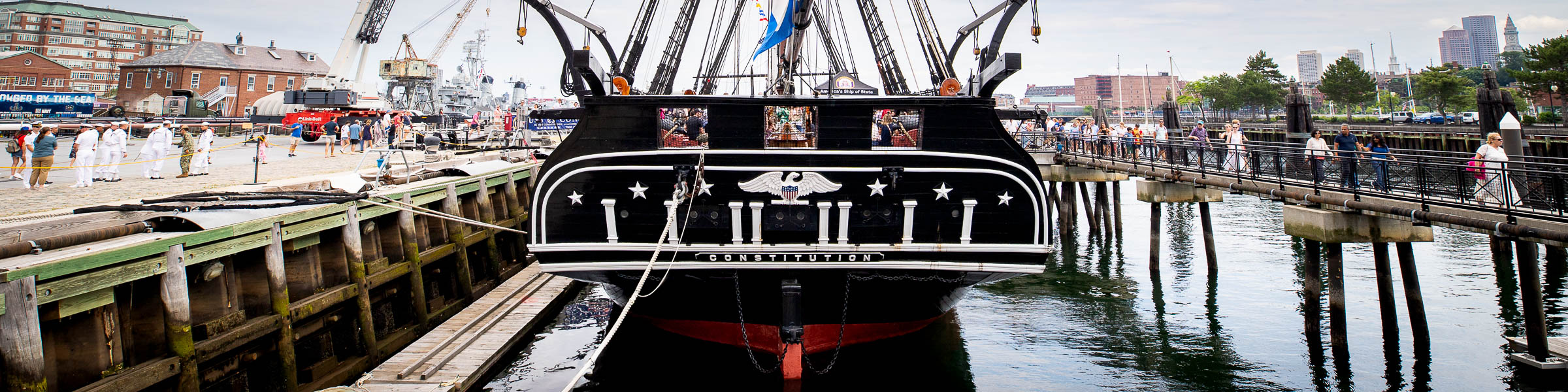
USS Constitution. Boston National Historical Park, Massachusetts. All photography is ours.
Home/National parks/Massachusetts
Massachusetts National Parks
Massachusetts is a state of firsts including ushering in America’s independence from England and kicking off the American Industrial Revolution. Come #FindYourPark in Massachusetts.
National parks guide · Updated October 2026
Every NPS site in Massachusetts
17
National Park Service sites in Massachusetts
There are 17 National Park Service sites in Massachusetts: seven national historical parks, six national historic sites, two national scenic trails, a national recreation area, and a national seashore. Tap any of them to jump to its details.
At a glance
We’ve been · 4 of 17
Affiliated sites · 10
0national parks
No national parks in Massachusetts yet
We’ve beenNot yet
National Park Service sites 17
NPS-affiliated sites 10
Essex Heritage AreaFreedom's Way Heritage AreaJohn H. Chafee Blackstone River Valley Heritage CorridorNashua, Squannacook, and Nissitissit Wild and Scenic RiversSudbury, Assabet and Concord National RiverTaunton RiverThe Last Green Valley Heritage CorridorUpper Housatonic Valley Heritage AreaWashington-Rochambeau TrailWestfield River
Adams National Historical Park
Adams National Historical Park is dedicated to preserving the legacy of two US presidents, John Adams and John Quincy Adams, and their family. Visitors are able to tour the birthplaces of John Adams and John Quincy Adams, Peacefield (the Old House), and the Stone Library. The Park also offers a Visitor Center, opportunities to walk the 13-acre grounds, and attend a Ranger-led program. You can also visit the United First Parish Church located next to the park and the final resting place of John Adams, John Quincy Adams, and their wives.
Appalachian National Scenic Trail
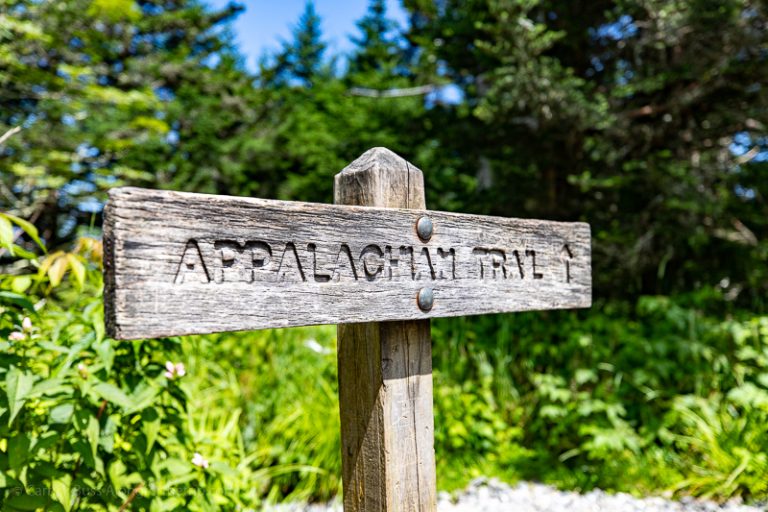
One of America’s most famous trails, the Appalachian National Scenic Trail stretches about 2,198 miles and runs nearly the entire length of the eastern United States from Maine to Georgia. The trail was constructed by private citizens and completed in 1937. Today, the trail is maintained by several federal and state agencies as well as volunteer groups.
Click here for more information on the Appalachian National Scenic Trail.
Blackstone River Valley National Historical Park
Blackstone River Valley National Historical Park preserves the rich history of the Blackstone River Valley, which was once a thriving hub of industry in the 19th century. The valley was a key player in the Industrial Revolution, as it was home to numerous mills and factories that produced textiles, machinery, and other goods. The park was established in 2014 to commemorate this important period in American history and to preserve the natural and cultural resources of the Blackstone River Valley. Visitors can take a guided tour of the Slater Mill, which was the first successful cotton spinning mill in America and is now a museum. The park also offers a variety of outdoor activities, such as hiking, biking, and fishing along the Blackstone River. Additionally, visitors can explore the historic towns and villages that dot the valley, many of which have preserved their 19th-century architecture and charm.
Boston African American National Historic Site
Boston African American National Historic Site tells the story of the African American community in Boston. The site is located in the Beacon Hill neighborhood, which was once the center of Boston’s African American community during the 19th century. The historic site was established in 1980 to commemorate the important contributions that African Americans have made to American history and culture and includes numerous historic buildings, such as the African Meeting House, the oldest surviving Black church building in the United States, and the Abiel Smith School, the oldest building in the U.S. built as a public school for African American children. Visitors can take guided tours of the historic buildings and learn about the rich history of the African American community in Boston. The site also offers a variety of educational programs, such as lectures and workshops, that explore the contributions of African Americans to American history and culture. Other historic sites include the Robert Gould Shaw Memorial, which commemorates the Massachusetts 54th Regiment, one of the first African American regiments in the Civil War.
Boston Harbor Islands National Recreation Area
Boston Harbor Islands National Recreation Area is a unique destination that combines natural beauty with rich history. The park is located in Boston Harbor and includes 34 islands and peninsulas that were once home to Native American tribes, military fortifications, and even a quarantine hospital. The park was established in 1996 to preserve the natural and cultural resources of the islands and to provide recreational opportunities for visitors. Today, the park offers a variety of activities, such as hiking, swimming, boating, and camping, and is a popular destination for locals and tourists alike.
Boston National Historical Park
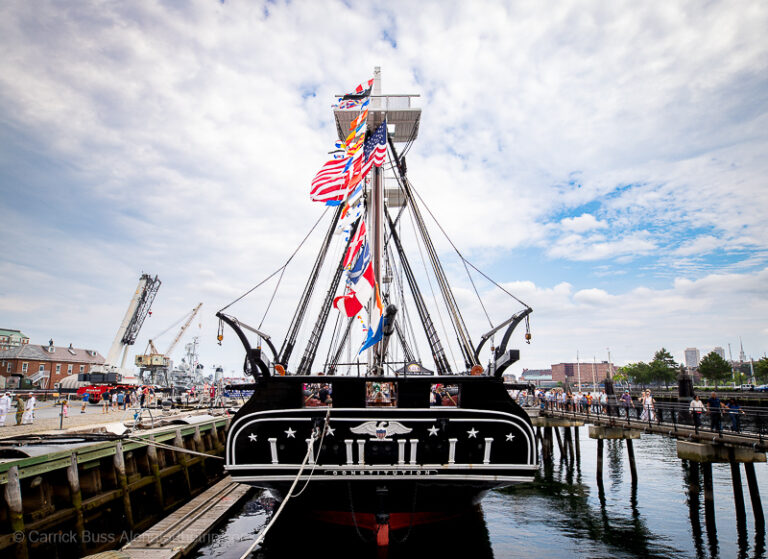
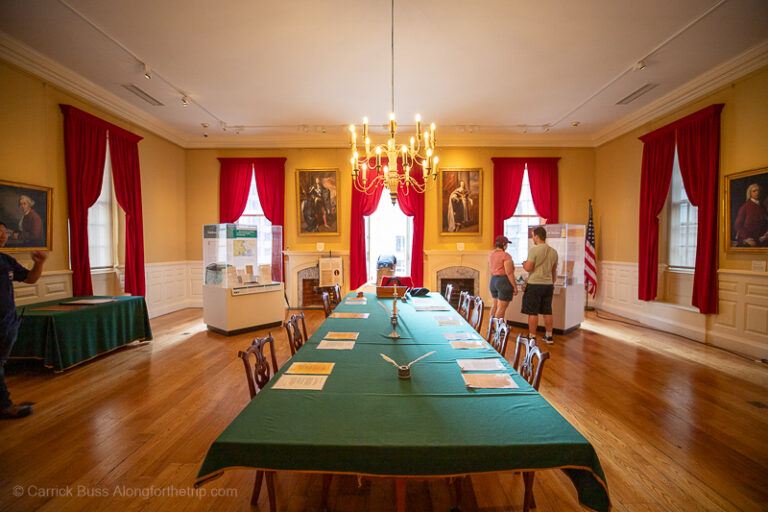
Boston National Historical Park is located in downtown Boston and includes numerous historic sites that were pivotal in the American Revolution, such as the Old North Church, Paul Revere’s House, and the USS Constitution Museum. The park was established in 1974 to preserve the historic sites and to educate visitors about the important role that Boston played in the American Revolution. Today, visitors can enjoy ranger-led tours, reenactments, and educational programs that bring the history of Boston to life. The most popular tour is the Freedom Trail, which takes visitors on a 2.5-mile walk through historic Boston. The park also offers educational programs for children and adults, such as living history demonstrations and hands-on activities. Additionally, visitors can explore the museums and exhibits that are located throughout the park, such as the Bunker Hill Museum and the Old South Meeting House.
Cape Cod National Seashore
Cape Cod National Seashore offers visitors the chance to experience the natural beauty of the New England coast. The park is located on the Outer Cape of Massachusetts and spans 40 miles of pristine coastline, dunes, marshes, and forests. The park was established in 1961 to preserve the natural and cultural resources of the area and to provide recreational opportunities for visitors. Popular activities include hiking, swimming, and fishing, and the seashore is a popular destination for locals and tourists alike. Marconi Beach and Nauset Light Beach are two popular destinations.
Frederick Law Olmsted National Historic Site
The Frederick Law Olmsted National Historic Site is a United States National Historic Site located in Brookline, Massachusetts, a suburb of Boston. Frederick Law Olmsted (1822–1903) is recognized as the founder of American landscape architecture and went on to establish the world’s first full-scale office and practice of landscape design.
The site was established in 1979 and includes the Olmsteds’ home, a visitor center, and about 7 acres of landscaped grounds. Visitors can enjoy the Visitor Center, tours of the grounds, and several Ranger-led programs. The park also offers a variety of classes on landscape architecture, gardening, and environmental history.
John Fitzgerald Kennedy National Historic Site
The John Fitzgerald Kennedy National Historic Site is located in Brookline, Massachusetts and is the birthplace and childhood home of President John F. Kennedy. The site was established in 1967 to preserve the historic home and to honor the life and legacy of President Kennedy. Today, visitors to the site can tour the home and learn about the early years of President Kennedy’s life, as well as explore exhibits on the Kennedy family’s early years. The site is open seasonally, from late May through October. Visitors to the John Fitzgerald Kennedy National Historic Site can explore the historic home where President Kennedy spent his early years. The home has been restored to its original appearance and is furnished with period furniture and décor. Visitors can take a guided tour of the home and experience a variety of educational programs and exhibits that explore the life and legacy of President Kennedy, including his famous speeches and the events that shaped his presidency.
The John Fitzgerald Kennedy National Historic Site was signed into law by President Lyndon B. Johnson.
Longfellow House–Washington’s Headquarters National Historic Site
The Longfellow House-Washington’s Headquarters National Historic Site tells the story of two of America’s most iconic figures: George Washington and Henry Wadsworth Longfellow. The site is located in Cambridge, Massachusetts and was the former home of Henry Wadsworth Longfellow, one of America’s most famous poets. The house also played a significant role in American history, having been used as a headquarters for General George Washington during the Revolutionary War. Today, the site offers visitors the chance to explore the historic home and learn about the lives and legacies of both Longfellow and Washington.
Lowell National Historical Park
Located in Lowell, Massachusetts, the Lowell National Historical Park recreates the story of America’s industrial revolution. The park covers over 140 acres of land along the Merrimack River, and was established in 1978 to preserve the historic textile mills and canals that played a significant role in the development of America’s textile industry. Today, visitors to the park can explore the historic sites and museums that showcase the ingenuity and innovation that defined the industrial revolution. Visitors can take guided tours of the historic mills and factories, explore the museum, and go hiking, biking, and fishing as well.
Minute Man National Historical Park
Minute Man National Historical Park relates the incredible story of the beginnings of the American Revolution. The roughly 1,000-acre park is located in Lexington, Lincoln, and Concord, Massachusetts, and was established in 1959 to preserve the historic sites and landmarks associated with the Revolutionary War, such as the Battle Road Trail and the Old North Bridge. Visitors to the park can explore the historic sites and museums that showcase the bravery and determination of the American colonists who fought for their independence. A popular activity for visitors is the Battle Road Trail, which follows part of the route of the British retreat from Concord. Along the way, visitors can see historic landmarks and monuments, such as the Hartwell Tavern and the Meriam’s Corner Monument. Visitors can also explore the Old North Bridge, where colonial militia first fired on British regulars under orders, and learn about the events that led to the American colonists’ fight for independence.
New Bedford Whaling National Historical Park
New Bedford Whaling National Historical Park celebrates the history and culture of New England’s whaling industry. The park is located in New Bedford, Massachusetts, and covers about 34 acres across 13 city blocks. The park was established in 1996 to preserve the historic buildings and landmarks associated with the whaling industry, such as the Seamen’s Bethel and the Whaling Museum, one of the world’s largest collections of whaling artifacts and artwork.
New England National Scenic Trail
The New England National Scenic Trail stretches for 235 miles from Long Island Sound up through Connecticut and into Massachusetts to the New Hampshire border. For more information including maps and suggested hikes, click here.
Salem Maritime National Historical Park
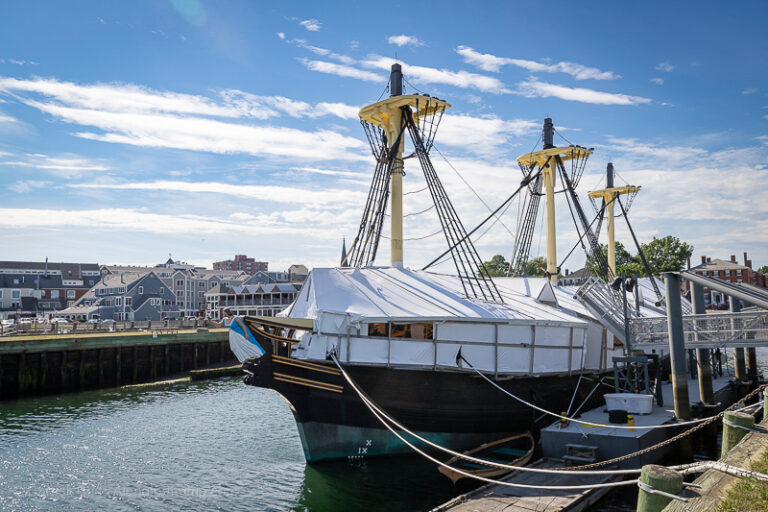
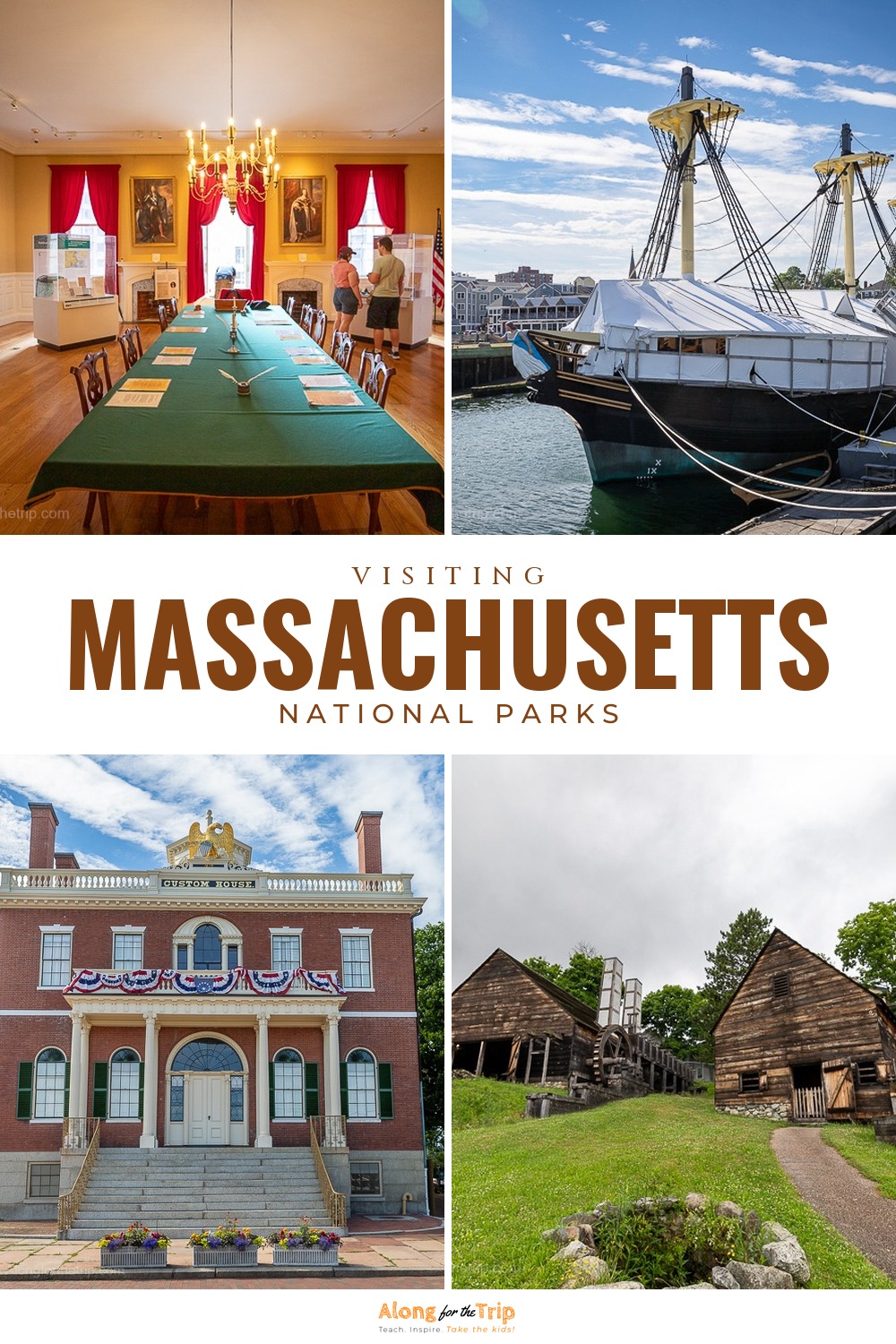
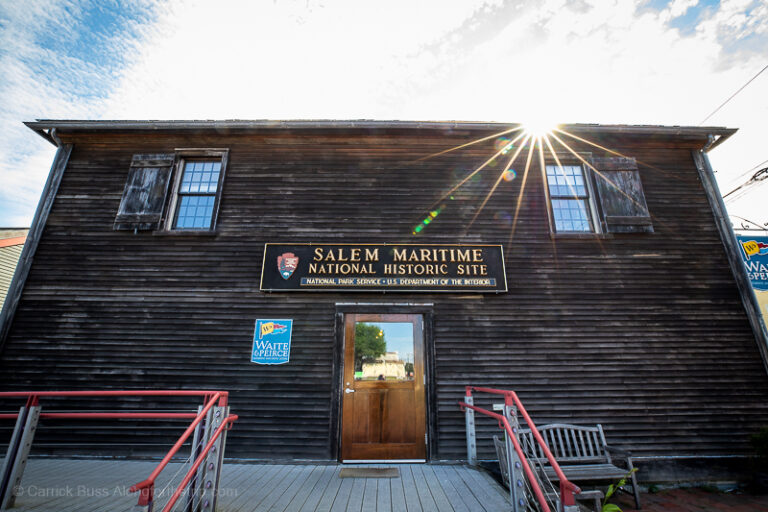
Salem Maritime National Historical Park is a destination that celebrates the maritime history and culture of Salem, Massachusetts. It was established on March 17, 1938, making it the very first National Historic Site in the United States. The 9-acre park preserves the historic buildings and landmarks associated with Salem’s rich maritime history.
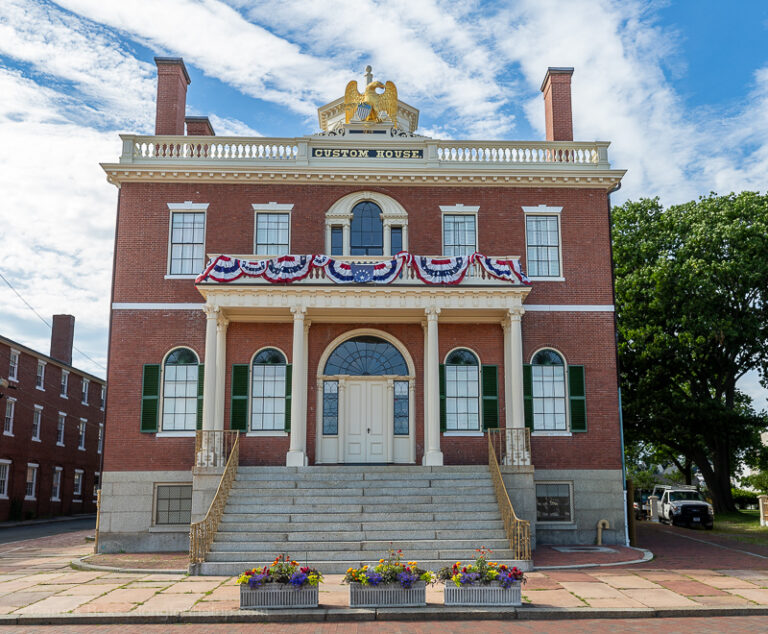
Visitors can tour historic buildings and landmarks such as the Custom House and the Friendship of Salem, a replica of a 1797 merchant vessel. Visitors can also explore exhibits in the Custom House and the Salem Regional Visitor Center that tell the story of Salem’s seafaring past.
Saugus Iron Works National Historic Site
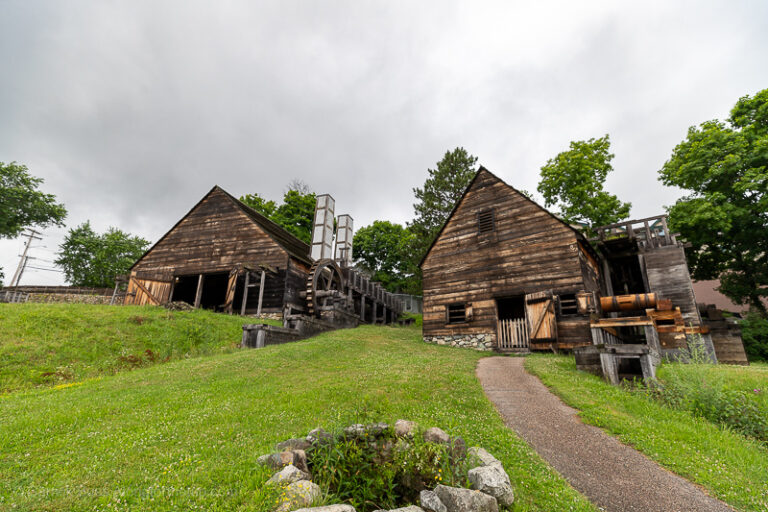
Saugus Iron Works National Historic Site is the birthplace of iron production in America and was established to tell the story and history of iron production during colonial times. The park is located in Saugus, Massachusetts, and was established in 1968 to preserve the historic Saugus Iron Works, which was the first integrated iron works in North America, established in 1646. Today, visitors to the park can explore the historic site and museum that showcase the ingenuity and innovation of the colonial iron industry. The park offers a variety of educational programs and events, such as blacksmithing demonstrations and interpretive tours, that allow visitors to experience the sights, sounds, and smells of colonial iron production.
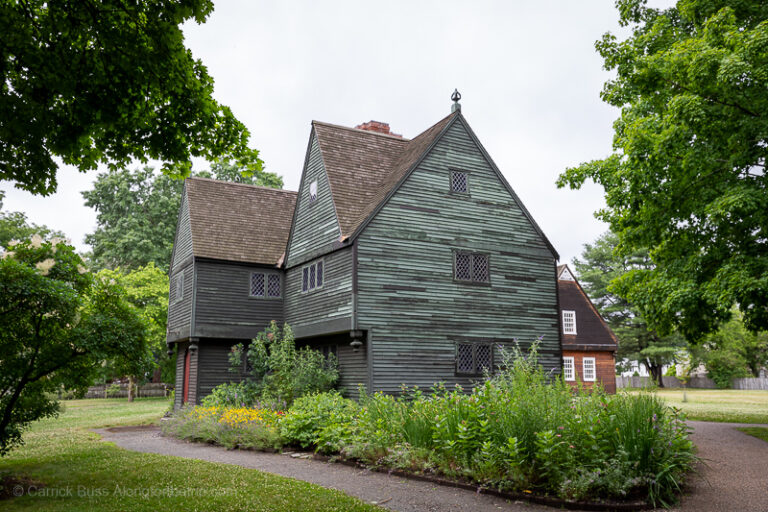
Springfield Armory National Historic Site
Springfield Armory National Historic Site is the site of America’s first armory, and tells the story of American firearms production. The park is located in Springfield, Massachusetts, and covers 55 acres of land. The park was established in 1978 to preserve the historic Springfield Armory, which was the site of American firearms production for about 174 years. Today, visitors to the park can explore the historic site and museum that showcase the ingenuity and innovation of American firearms technology.
The park offers a variety of exhibits and demonstrations that show visitors how firearms were produced, from the development of interchangeable parts to standard U.S. service rifles such as the M1903 and M1 Garand. Additionally, visitors can explore the historic buildings and landmarks associated with the Springfield Armory, such as the Armory’s Main Arsenal. There are also ranger-led tours and living history demonstrations available.
Partners of the Park Service
NPS-affiliated sites in Massachusetts
These sites aren’t run by the National Park Service, but they’re part of the NPS family through national trails and heritage areas.
Essex National Heritage Area
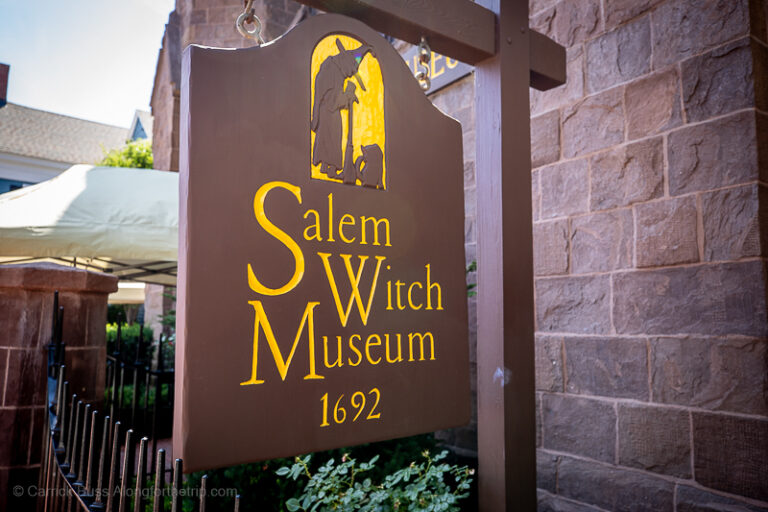
The Essex National Heritage Area is a federally designated National Heritage Area located in Essex County, Massachusetts. The Heritage Area encompasses 34 cities and towns along the Massachusetts North Shore, from Lynn and Saugus north to Salisbury at the New Hampshire border. The Heritage Area was designated in 1996 to recognize the region’s rich history and culture. The region is home to a number of historic sites, including the Salem Witch Museum, the Peabody Essex Museum, and the House of the Seven Gables. The Heritage Area is also home to a number of working waterfronts, including the Gloucester Fishermen’s Wharf and the Salem Maritime National Historical Park. The Essex National Heritage Area offers a variety of things to do, including visiting historic sites, exploring working waterfronts, and enjoying the region’s natural beauty. The Heritage Area also offers a number of cultural events and festivals, including the Essex Heritage Trails & Sails weekends and the Gloucester Schooner Festival.
Essex National Heritage Area was created by the Essex National Heritage Area Act of 1996, which was signed into law by President Bill Clinton.
Freedom’s Way National Heritage Area
Freedom’s Way National Heritage Area is a federally designated National Heritage Area encompassing portions of northern Massachusetts and southern New Hampshire. The Heritage Area was designated in 2009 to recognize the region’s rich history, natural beauty, and the legacy of revolutionary ideas and was signed into law by President Barack Obama.
The Freedom’s Way National Heritage Area is home to a number of historic sites, including Minute Man National Historical Park, Walden Pond, and Fruitlands Museum. The Heritage Area is also home to a number of natural areas, including the Assabet River National Wildlife Refuge and the Great Brook Farm State Park.
Learn more about activities at Freedom’s Way National Heritage Area here.
John H. Chafee Blackstone River Valley National Heritage Corridor
The John H. Chafee Blackstone River Valley National Heritage Corridor tells the story of the Industrial Revolution in New England. The heritage corridor is located in Rhode Island and Massachusetts and covers over 400,000 acres of land along the Blackstone River and includes the Blackstone River Valley National Historical Park. The corridor was established in 1986 to preserve the natural and cultural resources of the area and to provide educational opportunities for visitors. Today, the corridor offers a variety of activities, such as hiking, biking, boating, and fishing, and is a popular destination for history buffs and nature enthusiasts alike.
Learn more about the John H. Chafee Blackstone River Valley National Heritage Corridor.
Nashua, Squannacook, and Nissitissit Wild and Scenic Rivers
The Nashua River and its tributaries were designated in 2019 for their biodiversity, beauty, and recreational value. The Nashua River watershed encompasses 538 square miles and the designation includes 52.8 miles of river providing opportunities for paddling, fishing, and cultural and historical value.
Sudbury, Assabet and Concord National Wild and Scenic River
Established on April 9, 1999 by President Bill Clinton, the Sudbury, Assabet, and Concord National Wild and Scenic River was designated to protect and celebrate the natural and cultural significance of these waterways in Massachusetts. The region is known for its association with notable figures such as Henry David Thoreau and Louisa May Alcott, who drew inspiration from the scenic beauty of the rivers and surrounding landscapes.
Visitors can enjoy many recreational activities like canoeing and kayaking, hiking, birdwatching, and visiting historic sites such as the Old North Bridge in Concord associated with the Battle of Concord during the American Revolution.
Taunton Wild and Scenic River
The Taunton Wild and Scenic River is in southeastern Massachusetts. Visitors to the Taunton River can enjoy a variety of outdoor activities, such as fishing, kayaking, and hiking, as well as explore the history and ecology of the river. The river is home to a variety of fish species, including largemouth bass, white perch, and striped bass, which can be caught by both fly and spin fishing. River herring runs are protected. Visitors can fish from the river banks or launch a boat and fish from the water. Paddlers also enjoy the river for its calm water and beautiful surroundings.
The Last Green Valley National Heritage Corridor
Designated by Congress in 1994, The Last Green Valley National Heritage Corridor is an area of cultural, historical and natural significance that encompasses parts of rural Massachusetts and Connecticut. It is still 77% forest and farmland, and the only swath of dark night sky in the coastal sprawl between Boston and Washington DC.
Click here for more information about the Last Green Valley National Heritage Corridor.
Upper Housatonic Valley National Heritage Area
The Upper Housatonic (pronounced hoo-suh-TAH-nik) Valley National Heritage Area is a federally designated National Heritage Area in Connecticut and Massachusetts. The heritage area interprets and promotes the historical, cultural and scenic features of the upper Housatonic River valley in the western part of both states. The heritage area focuses on five themes: the area’s role as a resort for writers, artists, actors and musicians, the scenic landscape, the area’s role in industry, the American Revolutionary War, and the social and religious groups associated with the area. In the 19th century, the Upper Housatonic Valley became a popular resort destination for writers, artists, actors and musicians. The area’s natural beauty and its proximity to New York City made it a perfect place for people to escape the hustle and bustle of city life. Some of the most famous people who visited the Upper Housatonic Valley include Herman Melville, Edith Wharton, and Mark Twain. Today, the Upper Housatonic Valley is home to a number of historic sites, museums, and cultural attractions. Visitors can also enjoy the area’s beautiful scenery by hiking, biking, fishing, and boating.
Read more here about visiting the Upper Housatonic Valley National Heritage Area.
Washington-Rochambeau National Historic Trail
The Washington-Rochambeau Revolutionary Route National Historic Trail denotes one of the most successful troop movements in the Revolutionary War – one that led to victory over the British in Yorktown, Virginia and eventually led to America’s independence. General Rochambeau of France combined his forces with General Washington’s moving 680 miles over land and water to secure victory for the allies.
The Washington-Rochambeau National Historic Trail was formally recognized by Congress and signed into law by President Obama in 2009. The trail spans Massachusetts, Rhode Island, Connecticut, New York, New Jersey, Pennsylvania, Delaware, Maryland, Virginia and what is now Washington D.C. It celebrates America’s alliance with the French during our fight for independence and also highlights the historical and military significance that proved to be a pivotal moment in American history.
Westfield Wild and Scenic River
The Westfield Wild and Scenic River was designated as a Wild and Scenic River by the Secretary of the Interior in 1993 and expanded in 2004. It is located in western Massachusetts and is enjoyed for its fishing, paddling, hiking, picnicking, and bird watching. The river is home to a variety of bird species, including bald eagles and great blue herons, making it a great destination for bird watchers. The nearby Chester-Blandford State Forest also offers hiking opportunities for visitors who want to extend their stay in the area.
Good to know
Massachusetts national parks questions
No. Massachusetts doesn’t have a national park, but it does have 17 National Park Service sites, including Adams National Historical Park, Appalachian National Scenic Trail, and Blackstone River Valley National Historical Park.
There are 17 NPS sites in Massachusetts: seven national historical parks, six national historic sites, two national scenic trails, a national recreation area, and a national seashore. 10 more NPS-affiliated sites, like Essex National Heritage Area, round out the list.
So far we’ve visited four of the 17 NPS sites in Massachusetts, including Appalachian National Scenic Trail, Boston National Historical Park, and Salem Maritime National Historical Park. We’ve also visited one of the affiliated sites.
Keep exploring
National parks in nearby states
There’s more to explore in these nearby states.