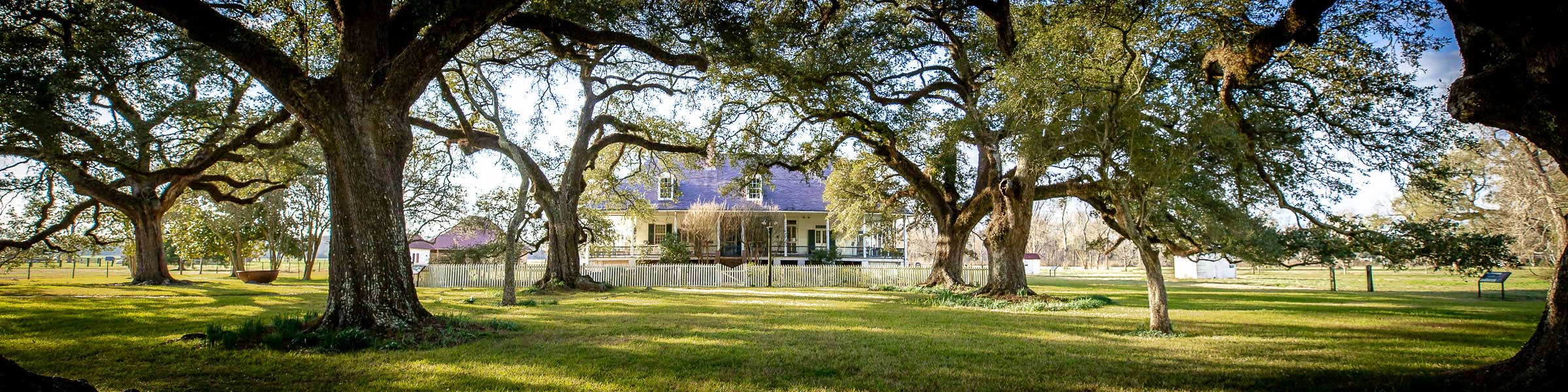
Cane River Creole National Historical Park, Louisiana. All photography is ours.
Home/National parks/Louisiana
Louisiana National Parks
Explore the birthplace of Jazz and Creole culture. #FindYourPark in Louisiana, where the music is just as spicy as the food.
National parks guide · Updated October 2026
Every NPS site in Louisiana
5
National Park Service sites in Louisiana
There are five National Park Service sites in Louisiana: three national historical parks, a national monument, and a national military park. Tap any of them to jump to its details.
At a glance
We’ve been · 4 of 5
Affiliated sites · 3
0national parks
No national parks in Louisiana yet
We’ve beenNot yet
National Park Service sites 5
NPS-affiliated sites 3
Atchafalaya Heritage AreaCane River Heritage AreaEl Camino Real de los Tejas Trail
Cane River Creole National Historical Park
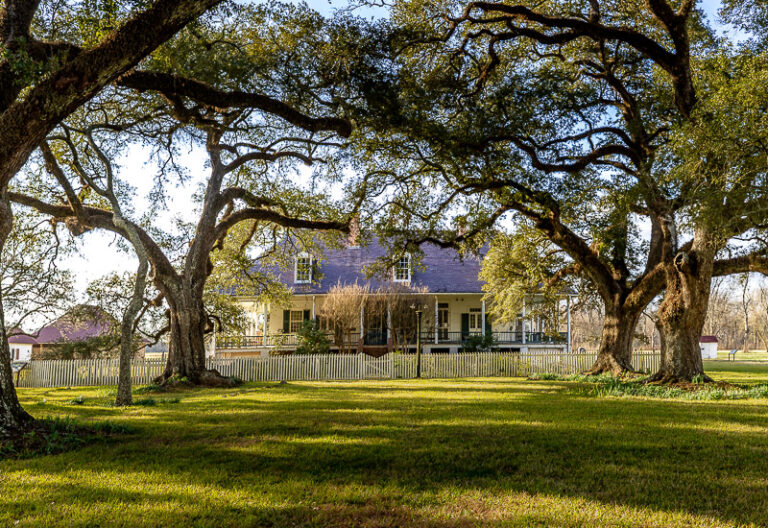
Cane River Creole National Historical Park is about 63 acres that sits along the Cane River and includes the historic Oakland and Magnolia cotton plantations. They are two of the most intact Creole cotton plantations in America. Guided tours are regularly offered at the Park and visitors are also welcome to head out on their own self-guided tour to explore the plantations. Many of the plantation rooms are open to visitors with a few even historically furnished. The Park is about a 4-hour drive north from New Orleans.
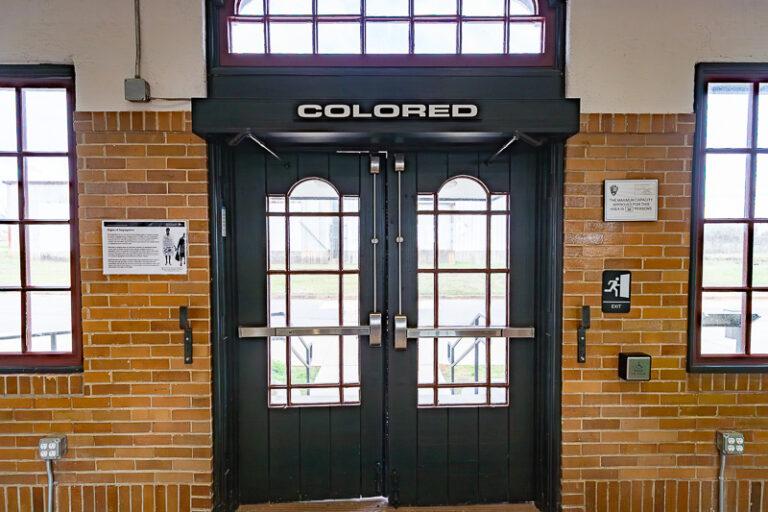
The park also includes the Texas & Pacific Railway Depot located in Natchitoches, LA. The depot was completed in 1927, but rail service ended in 1965 and it was never integrated after the Civil Rights Act of 1964 became law. This makes it one of the last remaining segregated buildings in Louisiana. Today, visitors can still see the segregated waiting rooms.
Prior to the Depot’s renovation, it was decided with agreement from the local community that replicas of the “Whites” and “Colored” signs should remain as a stark reminder of life in the segregated South.
Jean Lafitte National Historical Park and Preserve
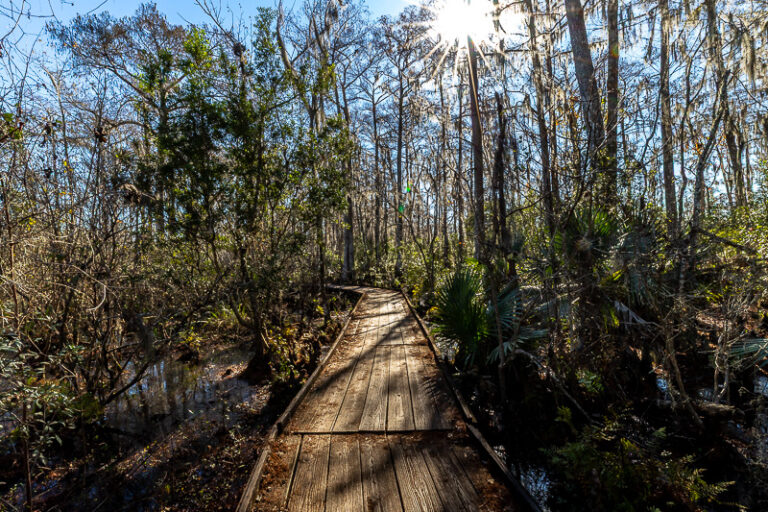
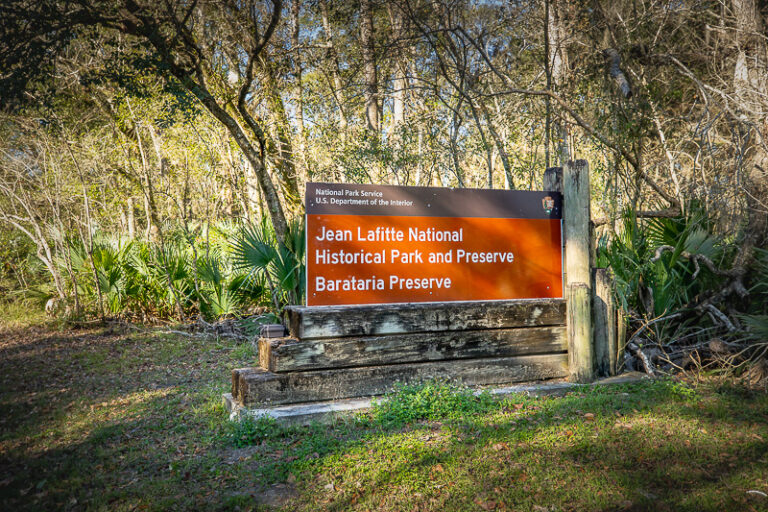
Jean Lafitte (pronounced zhahn luh-FEET) National Historical Park and Preserve is actually a collection of six different sites scattered across Southern Louisiana.
– The Wetlands Acadian Cultural Center in Thibodaux, LA offers visitors a place to learn more about Louisiana’s bayou country along with boat tours, cultural activities, and more.
– The Acadian Cultural Center in Lafayette, LA explores the Acadian (or Cajun) peoples and culture of South Louisiana.
– For music-lovers, pay a visit to the Prairie Acadian Cultural Center in Eunice, LA where Saturday nights are home to the “Cajun Grand Ole Opry.” Learn more about Acadian music, dance, and crafts here as well.
– Barataria Preserve in Marrero, LA is a 26,000-acre wetland preserve offering visitors exhibits, dioramas, and hands-on lessons at the Visitor Center.
– To commemorate the War of 1812’s Battle of New Orleans, reenactors gather every January at the Chalmette Battlefield in Chalmette, LA. Along with the Battlefield, visitors can also visit the Chalmette National Cemetery nearby.
– The French Quarter Visitor Center in New Orleans explores the history and culture that helped New Orleans emerge into one of America’s most recognized and celebrated cities.
New Orleans Jazz National Historical Park

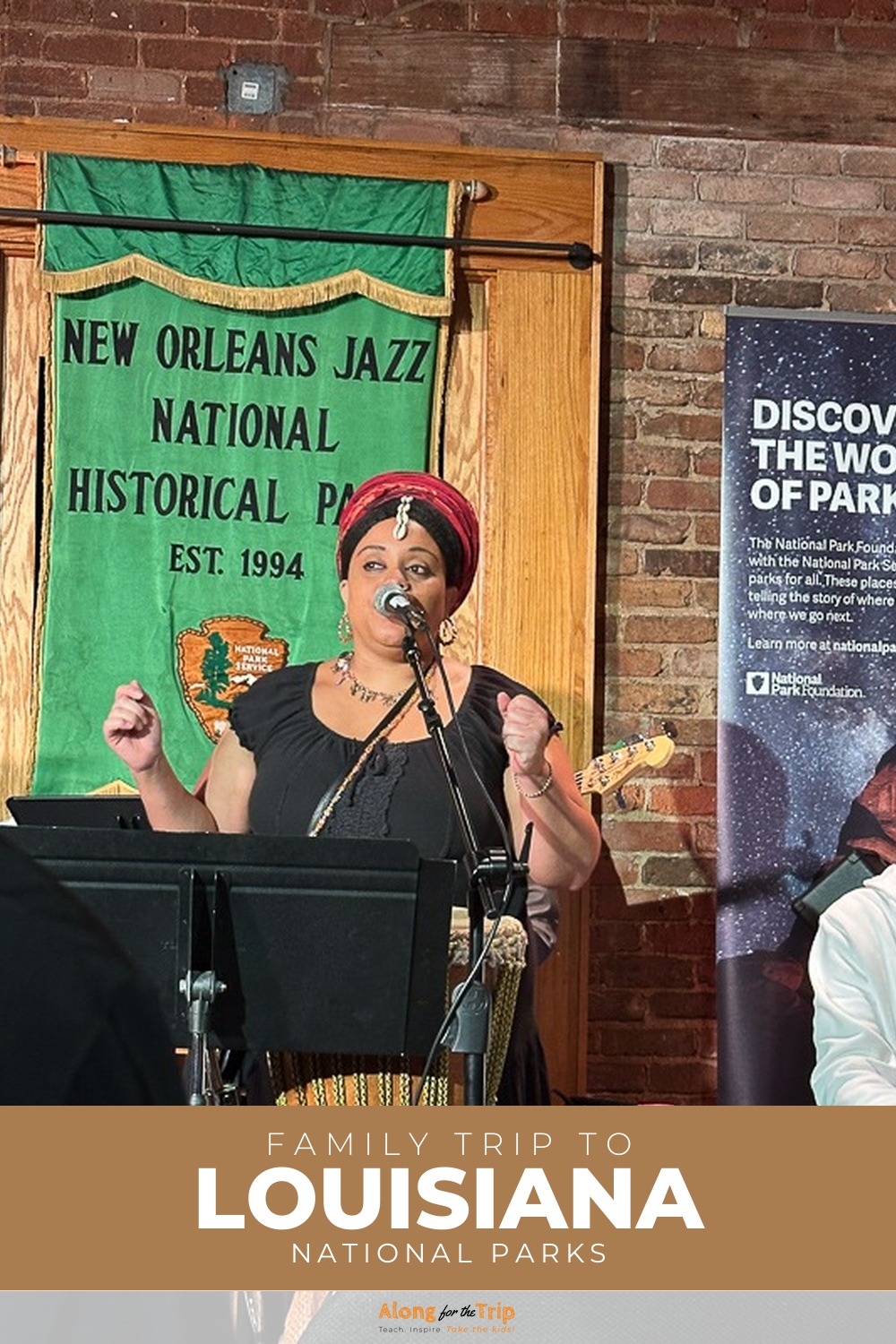
New Orleans Jazz National Historical Park is a vibrant tribute to the birthplace of jazz, one of America’s most celebrated musical genres. Located in the heart of New Orleans, Louisiana, this park aims to preserve and celebrate the rich cultural heritage of jazz and the city’s role in its development. Jazz, with its roots in African, European, and Caribbean traditions, became a vital part of the city’s cultural fabric in the late 19th and early 20th centuries, and New Orleans remains a global center of jazz appreciation and performance.
Visitors can explore the history and heritage of jazz through interpretive programs, ranger-led tours, and live performances that bring the sounds and stories of jazz to life. The park’s visitor center is on North Peters Street, and the park also hosts performances at the Old U.S. Mint. The Mint features interactive exhibits, instruments, and multimedia presentations that delve into the evolution of jazz and the role of New Orleans in its development.
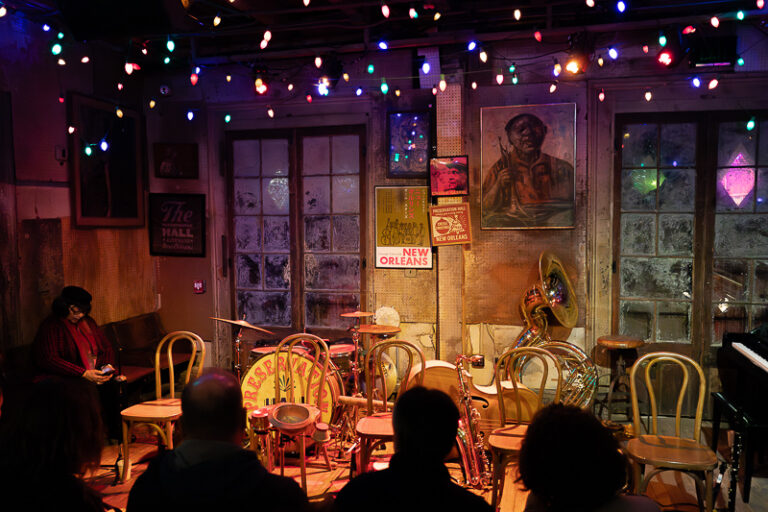
Beyond the visitor center, there are several iconic jazz landmarks nearby, including Preservation Hall, a historic venue where visitors can experience live jazz performances in an intimate and authentic setting. Additionally, the park hosts special events, jazz workshops, and educational programs throughout the year, making it a destination for both music enthusiasts and those interested in the cultural history of New Orleans and the evolution of jazz.
The Park’s creation was a result of collaborative efforts between the National Park Service and the City of New Orleans and was officially established on October 31, 1994 by President Bill Clinton.
Poverty Point National Monument
Poverty Point National Monument, designated in 1988 by President Ronald Reagan, is an archaeological site in northeastern Louisiana which provides a glimpse into the complex history of ancient Native American civilizations in North America. This unique national monument is known for its remarkable earthworks and concentric ridges which were constructed over 3,000 years ago by indigenous peoples. The site is one of the most significant prehistoric structures in North America, showcasing a sophisticated culture that existed in the region long before the arrival of European settlers.
The monument is operated by Louisiana State Parks and features an informative visitor center that houses exhibits and artifacts related to the Poverty Point culture and provides guided tours of the site’s earthworks, mounds, and artifacts, as well as the various theories surrounding the purpose of the Poverty Point structures.
Vicksburg National Military Park
Vicksburg National Military Park commemorates one of the most pivotal and dramatic campaigns of the American Civil War. This historic park preserves the site of the Vicksburg Campaign, a military operation that spanned several months in 1863 and culminated in the Siege of Vicksburg. The park commemorates the strategic significance of Vicksburg and its ultimate surrender to Union forces, which severed the Confederacy and marked a turning point in the war.
The park features well-preserved battlefield sites, monuments, and historic structures as well as the U.S.S. Cairo Museum which showcases the remains of the U.S.S. Cairo, a Union ironclad warship that was sunk in the nearby Yazoo River and later raised and preserved. The park’s visitor center offers interpretive exhibits, films, and educational programs that provide a comprehensive understanding of the military strategy, soldiers’ experiences, and the profound significance of the Vicksburg Campaign.
Vicksburg National Military Park was designated on February 21, 1899 by President William McKinley.
Partners of the Park Service
NPS-affiliated sites in Louisiana
These sites aren’t run by the National Park Service, but they’re part of the NPS family through national trails and heritage areas.
Atchafalaya National Heritage Area
Located in the heart of the Louisiana Bayou, Atchafalaya National Heritage Area (pronounced uh-chaf-uh-LIE-uh) tells the story of Louisiana’s food, culture, and the people of bayou country. It was created by Congress in 2006 by the Atchafalaya National Heritage Area Act and today protects a swath of land that runs along the Atchafalaya River and recognizes its four distinct areas – Upper, Between 2 Rivers, Bayou Teche Corridor and the Coastal Zone. Popular activities include paddling and water sports along the Atchafalaya Water Heritage Trail, biking, camping, hunting, fishing, and swamp tours.
Cane River National Heritage Area
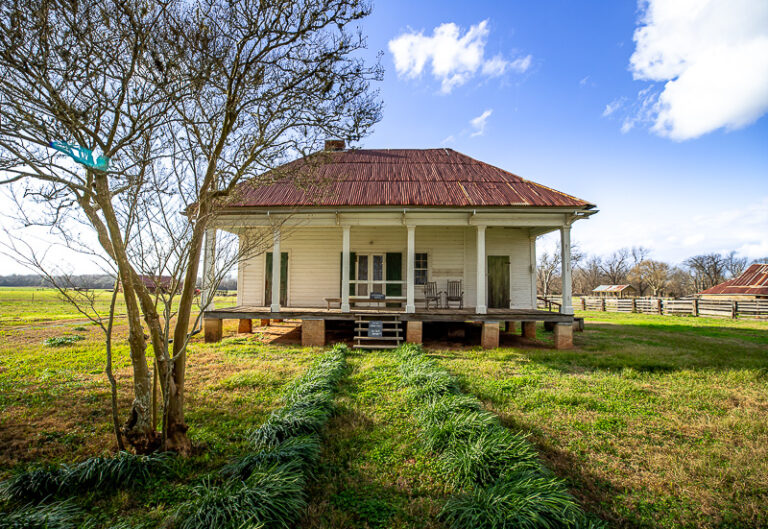
The Cane River National Heritage Area recognizes about 116,000 acres of historic Creole history and culture and includes the town of Natchitoches, Louisiana and its historic district. Its founding in 1714 makes it the oldest permanent settlement in the Louisiana Purchase territory. The heritage area runs for about 35 miles along the Cane River and includes several historic Creole sites and plantations along with several state historic sites.
El Camino Real de los Tejas National Historic Trail
El Camino Real de los Tejas National Historic Trail commemorates the historic trade route that linked Spanish colonial Mexico to the Spanish outposts in present-day Texas and Louisiana. The trail served as a vital trade route, connecting these regions for centuries – facilitating cultural exchange, commerce, and interaction between Native American, Spanish, and French cultures.
Visitors can explore the network of interpretive centers, historic sites, and hiking paths retracing the footsteps of early explorers, traders, and settlers. The El Camino Real de los Tejas National Historic Trail Association works to promote the preservation of the trail’s historical and cultural significance and organizes events and activities to educate the public about its heritage.
The Trail was designated on October 18, 2004 by President George W. Bush.
Good to know
Louisiana national parks questions
No. Louisiana doesn’t have a national park, but it does have five National Park Service sites, including Cane River Creole National Historical Park, Jean Lafitte National Historical Park and Preserve, and New Orleans Jazz National Historical Park.
There are five NPS sites in Louisiana: three national historical parks, a national monument, and a national military park. Three more NPS-affiliated sites, like Atchafalaya National Heritage Area, round out the list.
So far we’ve visited four of the five NPS sites in Louisiana, including Cane River Creole National Historical Park, Jean Lafitte National Historical Park and Preserve, and New Orleans Jazz National Historical Park. We’ve also visited three of the affiliated sites.
Keep exploring
National parks in nearby states
There’s more to explore in these nearby states.