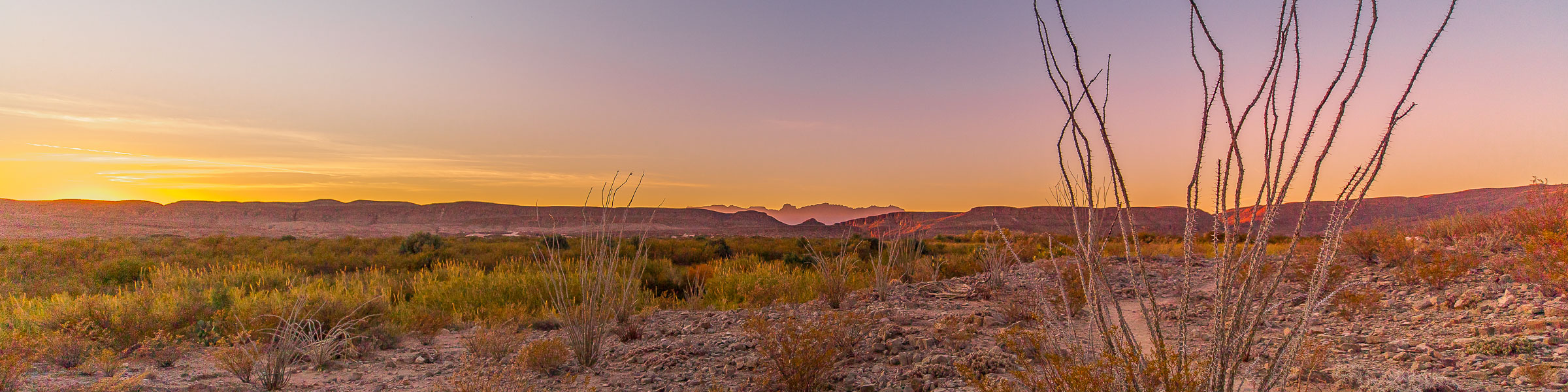
Sunset at Big Bend National Park, Texas. All photography is ours.
Home/National parks/Texas
Texas National Parks
From Ice Age fossils and Presidential homes to colonial churches and sun-drenched shorelines, Texas has a National Park for everyone. Come #FindYourPark in Texas.
National parks guide · Updated October 2026
Every NPS site in Texas
15
National Park Service sites in Texas
There are 15 National Park Service sites in Texas: three national historical parks, two national monuments, two national recreation areas, two national parks, two national historic sites, a national preserve, a national memorial, a national seashore, and a wild and scenic river. Tap any of them to jump to its details.
At a glance
We’ve been · 4 of 15
Affiliated sites · 3
2national parks
We’ve beenNot yet
More National Park Service sites 13
Alibates Flint Quarries National Monument
Alibates (pronounced AL-ih-bates) Flint Quarries National Monument is located in the Texas Panhandle and preserves and celebrates the rich history found here. For over 13,000 years, indigenous peoples have quarried this high-quality flint, which they used to create tools, weapons, and art. The colorful flint from these quarries was highly valued and traded across the continent, making the quarries a crucial hub for cultural exchange.
Guided tours and interpretive programs are available as well as a visitor center featuring exhibits and displays. Alibates Flint Quarries was designated as a national monument on August 21, 1965 by President Lyndon B. Johnson.
Amistad National Recreation Area
Amistad National Recreation Area is a sprawling and historically significant site situated on the United States-Mexico border near Del Rio, Texas. The recreation area is named after Amistad Dam and its reservoir, built as a joint project between the United States and Mexico. Amistad is Spanish for friendship, a nod to the two countries working together on the dam. The name is shared with the ship La Amistad, known for a revolt by enslaved Africans and their legal battle for freedom, but the park has no connection to that story.
The Amistad Reservoir, created by the Amistad Dam on the Rio Grande, is popular for outdoor activities including boating, fishing, hiking, and camping, and the park’s visitor center provides educational exhibits on the reservoir, the area’s natural history, and the Lower Pecos rock art and archeology found here.
Big Bend National Park
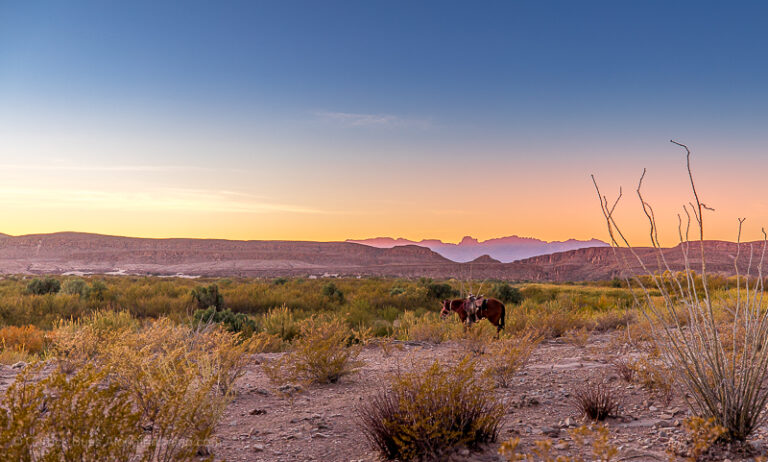
Big Bend National Park is a remote park located in the southwestern corner of Texas, encompassing around 800,000 acres of diverse landscape along the Rio Grande River in the Chihuahuan Desert. The park protects thousands of species of plants and animals in this ecosystem, and is unique in that it contains more species of birds, bats, and cacti than any other national park in the United States.
Visitors enjoy hiking, camping, birdwatching, and particularly stargazing. The park is a designated International Dark Sky Park, making it an exceptional location for stargazing and astrophotography. There are over 150 miles of hiking trails, ranging from easy nature walks to challenging backcountry routes, each providing an opportunity to experience the park’s natural beauty and ecological diversity.
Big Bend was designated as a national park on June 12, 1944 by President Franklin D. Roosevelt and was also designated an International Biosphere Reserve in 1976.
Big Thicket National Preserve
Big Thicket National Preserve is a biologically diverse area in southeastern Texas that includes swamps, hardwood forests, piney woods, and desert-like environments. It is often referred to as the “biological crossroads of North America”. The park also has a rich cultural history as well, with evidence of human habitation dating back over 10,000 years.
The preserve offers opportunities for hiking, wildlife watching, birding, canoeing, and camping as well as interpretive programs and ranger-led activities. Big Thicket was designated on October 11, 1974 by President Gerald Ford.
Blackwell School National Historic Site
For 56 years, the Blackwell School in Marfa educated the town’s Mexican and Mexican American children. The school was segregated by prejudice rather than by law, and it became a symbol of the community’s resilience. Today the site shares the stories of the students and teachers who went there.
Two buildings remain, the original 1909 adobe schoolhouse and the 1927 Band Hall. The school is open on weekends year-round, and weekday tours can be arranged in advance with the park.
Chamizal National Memorial
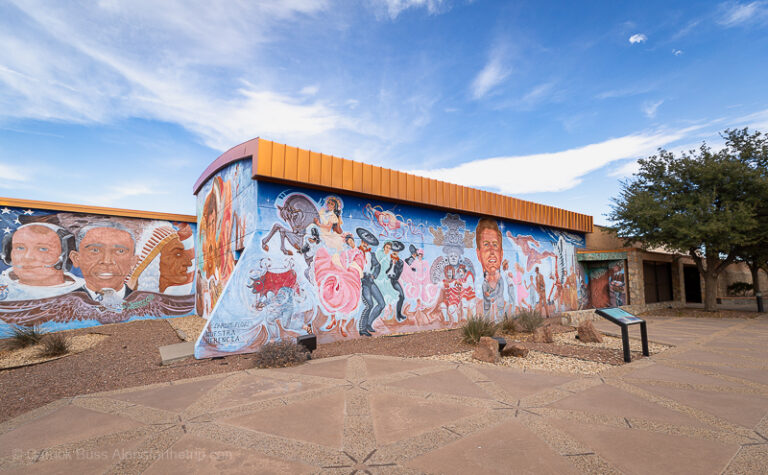
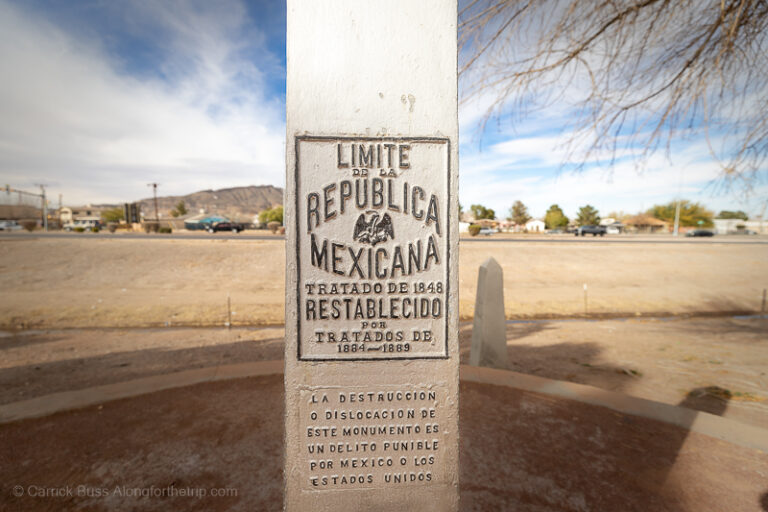
Chamizal National Memorial commemorates a long-standing international border dispute between the United States and Mexico that was resolved in 1963 leading to the peaceful demarcation of the boundary along the Rio Grande. This dispute, known as the Chamizal Dispute, centered on a 600-acre piece of land, the Chamizal Tract, which had been the subject of disagreement for over 100 years. The resolution was achieved through diplomatic negotiations and culminated in the establishment of the memorial as a symbol of diplomacy and cooperation between the two nations.
Fort Davis National Historic Site
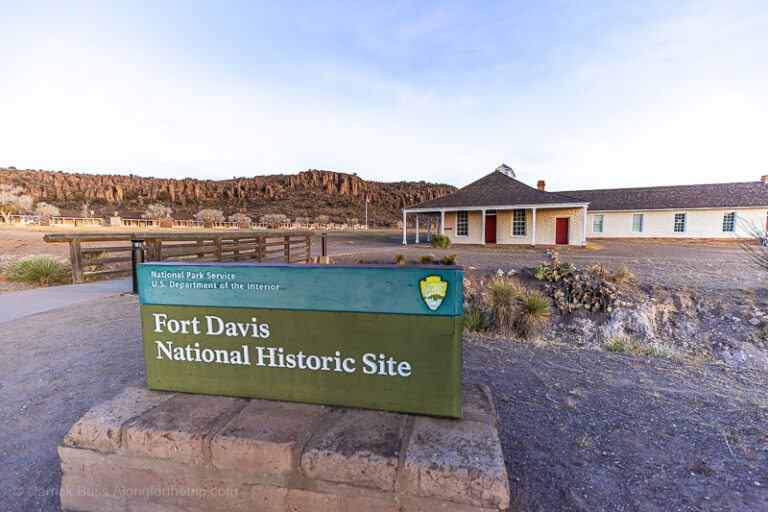
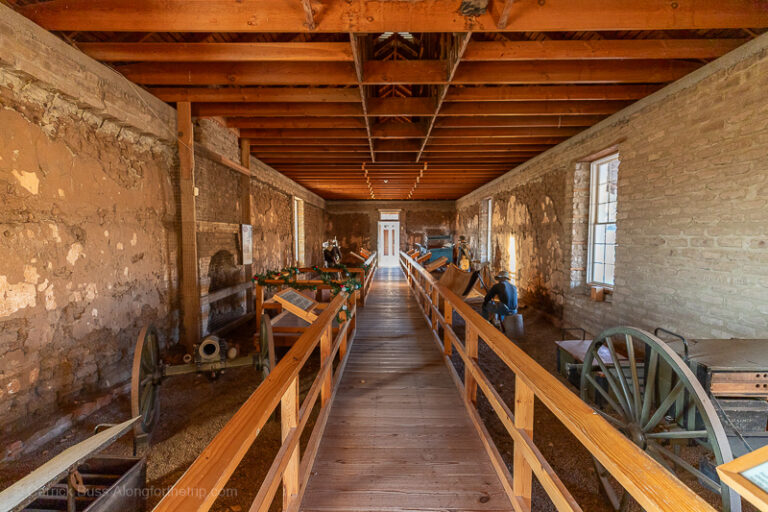
Fort Davis National Historic Site preserves and commemorates the history of the frontier military posts that once protected westward expansion during the 19th century. The historic site is named after Fort Davis, a U.S. Army post established in 1854 to protect settlers, travelers, and mail coaches along the San Antonio-El Paso Road. The fort played a crucial role in maintaining peace and order in the region, serving as a key outpost during the Apache Wars and the Civil War.
Visitors can explore the well-preserved remains of the fort and take guided tours. The fort’s visitor center features exhibits and artifacts describing the fort’s history and the role it played in the American frontier.
Guadalupe Mountains National Park
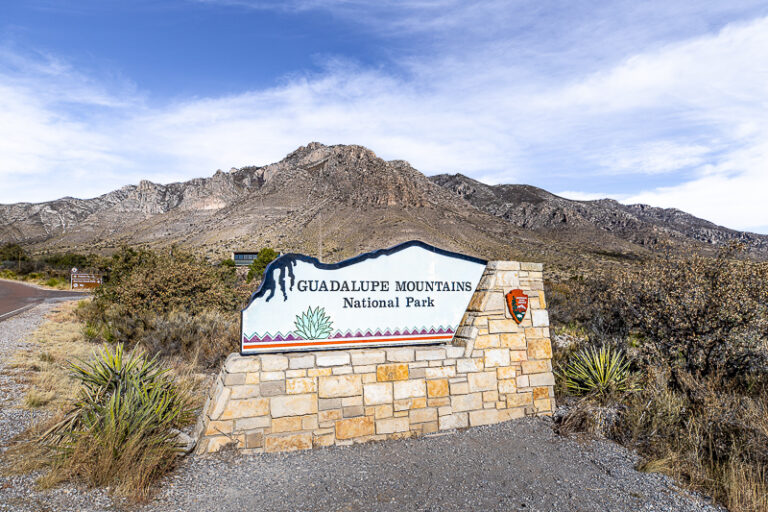
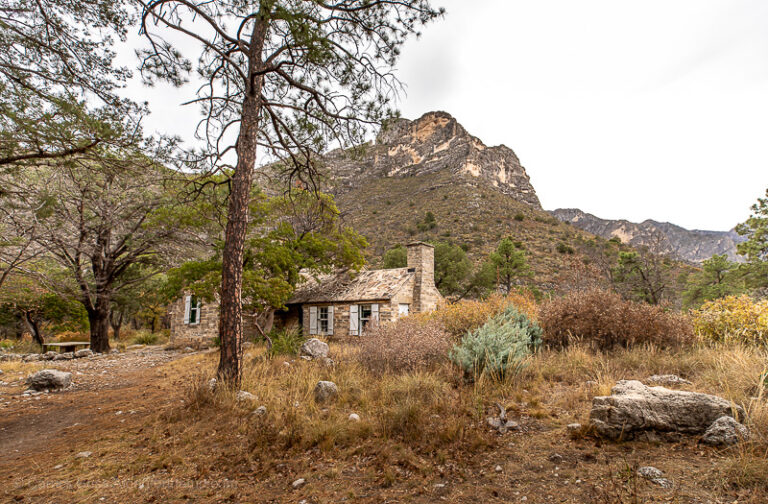
Guadalupe Mountains National Park is home to the rugged Guadalupe Mountains, which were once part of a massive reef beneath an ancient inland sea and is known for its pristine wilderness. Prominent features include McKittrick Canyon and El Capitan peak. The park boasts over 80 miles of hiking trails, including a portion of the Guadalupe Ridge Trail, which extends into New Mexico.
Hiking enthusiasts can tackle challenging treks like the Guadalupe Peak Trail, which leads to the highest point in Texas, or explore more accessible trails in the McKittrick Canyon area. Birdwatching, camping, and stargazing are also popular activities, thanks to the park’s dark skies.
Lake Meredith National Recreation Area
Lake Meredith National Recreation Area, located in the Texas Panhandle near Amarillo, is primarily a reservoir created by the Sanford Dam along the Canadian River. The lake was developed to provide water for the region and has become a popular recreational destination. Boating, fishing, camping, and hiking are all very popular, and the lake offers excellent opportunities for sailing, swimming, and kayaking.
Lyndon B. Johnson National Historical Park
Lyndon B. Johnson National Historical Park commemorates the life and legacy of the 36th President of the United States, Lyndon B. Johnson. The park is situated in the picturesque Texas Hill Country, near Johnson City and Stonewall, where President Johnson was born and raised. It comprises two distinct districts: the LBJ Ranch District, home to the “Texas White House,” and the Johnson City District, with his boyhood home. Both offer insights into the personal and political life of the former President.
Visitors can take guided tours of the Texas White House, offering a glimpse into the President’s daily life, his political career, and the issues he faced during his time in office. The park also features the Johnson family cemetery, where the President and First Lady, Lady Bird Johnson, are laid to rest.
Padre Island National Seashore
Padre Island National Seashore is a natural preserve located along the Gulf of Mexico in southern Texas. This protected area encompasses the longest undeveloped barrier island in the world, stretching over 70 miles of pristine coastline. Padre Island National Seashore boasts a diverse range of ecosystems, including dunes, grasslands, wetlands, and the Gulf of Mexico itself.
The site is particularly renowned for its sea turtle nesting sites, which play a crucial role in the conservation of these endangered creatures. Birdwatching and fishing are popular here as well, with the seashore serving as a critical stopover point for migratory birds and offering excellent angling opportunities.
Palo Alto Battlefield National Historical Park
Palo Alto Battlefield National Historical Park commemorates a pivotal battle in the Mexican-American War – the Battle of Palo Alto. This battle marked the beginning of the war between the United States and Mexico, a conflict that had a profound impact on the history of both nations. Visitors can explore the site’s rich history through a variety of exhibits, interpretive programs, and guided tours.
Rio Grande Wild and Scenic River
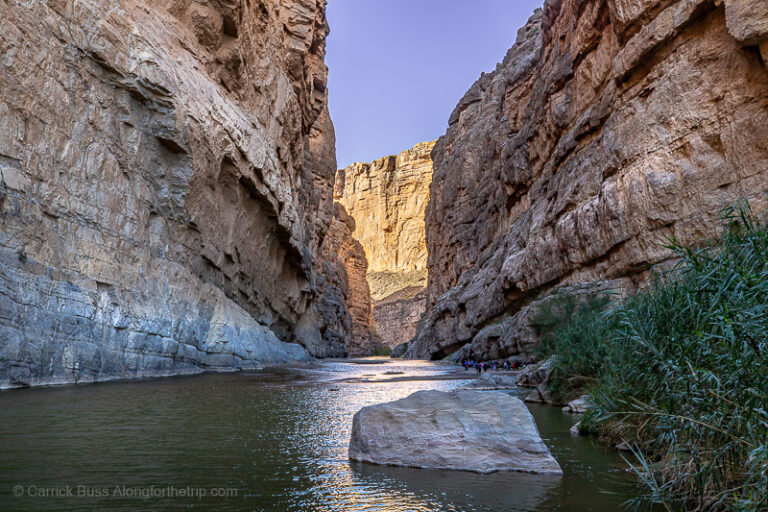
The Rio Grande Wild and Scenic River is a protected segment of the Rio Grande River that runs for 196 miles along the Texas-Mexico border. Upstream in New Mexico, a separate stretch of the river has its own Wild and Scenic designation. The protected river segment encompasses the rugged canyons and riparian ecosystems of the Rio Grande, providing a sanctuary for a diverse range of plant and animal species. Kayaking, canoeing, and rafting are all popular, and the surrounding landscape is also a prime location for hiking, wildlife watching, and photography.
San Antonio Missions National Historical Park
San Antonio Missions National Historical Park is a UNESCO World Heritage Site that preserves the historical and cultural significance of four 18th-century Spanish colonial missions in San Antonio, Texas. These missions, including Mission Concepción, Mission San José, Mission San Juan, and Mission Espada, played a vital role in the region’s early history, serving as centers for religious, agricultural, and social activities.
The park includes a network of walking and biking trails that connect the missions and lead through the scenic San Antonio River Valley.
Waco Mammoth National Monument
Waco Mammoth National Monument preserves the fossils of a herd of Columbian mammoths and is one of the most significant paleontological discoveries in the United States. Visitors can explore the site’s rich paleontological history through guided tours and interpretive programs. The park’s visitor center features exhibits and displays that provide insights into the Ice Age and the unique ecosystem that existed at the time. The highlight of the monument is the carefully excavated and preserved fossil remains of these ancient creatures, which can be viewed in a climate-controlled dig shelter.
Partners of the Park Service
NPS-affiliated sites in Texas
These sites aren’t run by the National Park Service, but they’re part of the NPS family through national trails and heritage areas.
Butterfield Overland National Historic Trail
The Butterfield Overland National Historic Trail follows the route of the Butterfield Overland Mail, which carried passengers and mail by stagecoach between St. Louis, Memphis, and San Francisco from 1858 to 1861. The route swung across the southern United States through Missouri, Arkansas, Oklahoma, Texas, New Mexico, Arizona, and California. Congress added it to the National Trails System in 2023, so it is one of the newest sites in the NPS family and visitor facilities are still being developed. In Texas the route crossed the whole state, from the Red River past Fort Belknap and the Guadalupe Mountains to El Paso. The Pinery station ruins at Guadalupe Mountains National Park are one of the easiest places to see the trail today.
El Camino Real de los Tejas National Historic Trail
El Camino Real de los Tejas National Historic Trail commemorates the historic trade route that linked Spanish colonial Mexico to the Spanish outposts in present-day Texas and Louisiana. The trail served as a vital trade route, connecting these regions for centuries – facilitating cultural exchange, commerce, and interaction between Native American, Spanish, and French cultures.
Visitors can explore the network of interpretive centers, historic sites, and hiking paths retracing the footsteps of early explorers, traders, and settlers. The El Camino Real de los Tejas National Historic Trail Association works to promote the preservation of the trail’s historical and cultural significance and organizes events and activities to educate the public about its heritage.
The Trail was designated on October 18, 2004 by President George W. Bush.
El Camino Real de Tierra Adentro National Historic Trail
The El Camino Real de Tierra Adentro National Historic Trail was known as the Spanish colonial “royal road” and served as a critical lifeline between Santa Fe, New Mexico and Mexico City, Mexico. The height of commerce along the trail occurred during the colonial 1600s but tapered off over time, especially when the railroads became popular. There are several sites along the trail where you can learn more and get a passport stamp. Click here for a complete list.
Good to know
Texas national parks questions
Texas has two national parks: Big Bend National Park and Guadalupe Mountains National Park. It also has 13 other National Park Service sites.
There are 15 NPS sites in Texas: three national historical parks, two national monuments, two national recreation areas, two national parks, two national historic sites, a national preserve, a national memorial, a national seashore, and a wild and scenic river. Three more NPS-affiliated sites, like El Camino Real de los Tejas National Historic Trail, round out the list.
So far we’ve visited Big Bend National Park, Chamizal National Memorial, Fort Davis National Historic Site, and Guadalupe Mountains National Park.
Keep exploring
National parks in nearby states
There’s more to explore in these nearby states.