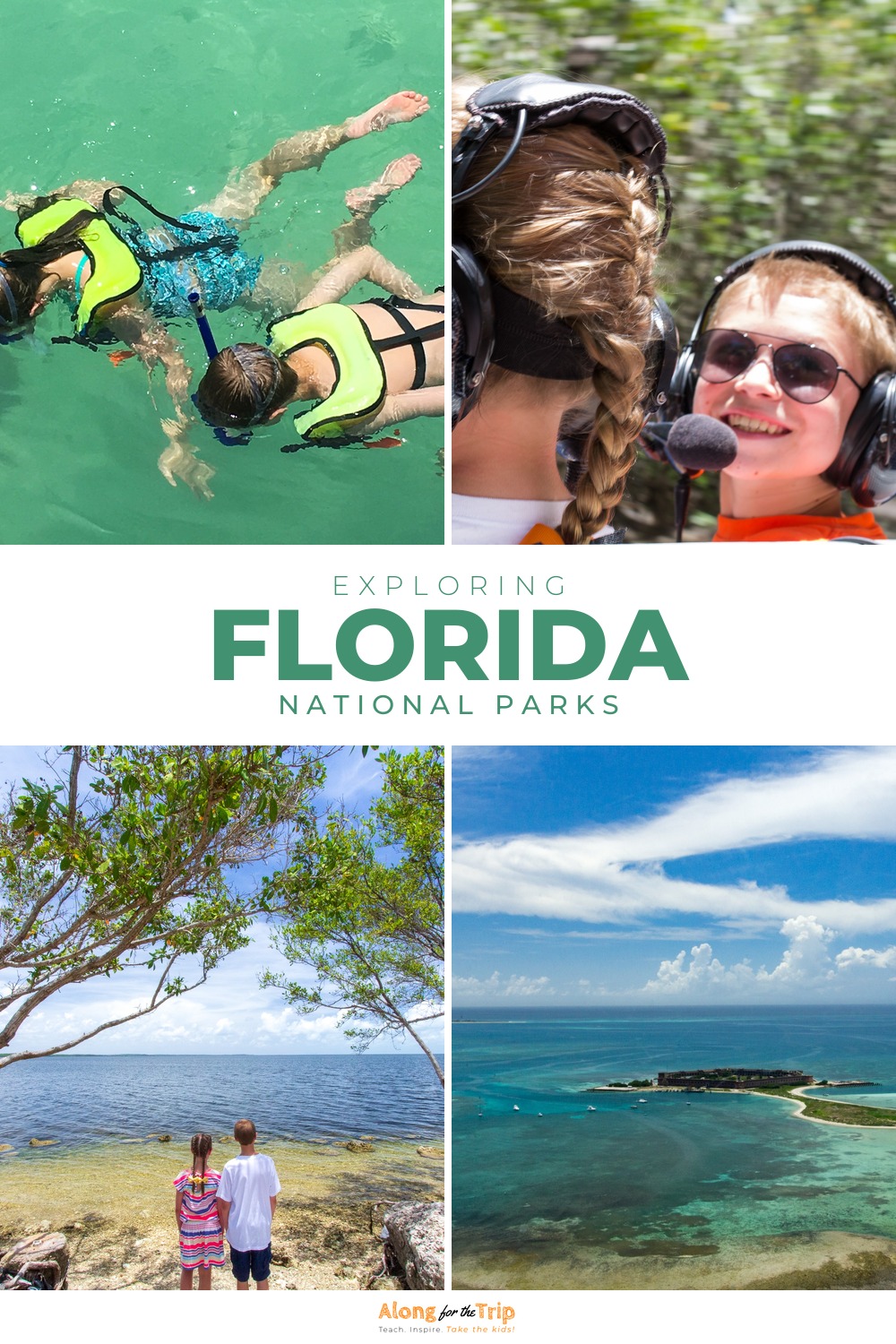
Dry Tortugas National Park, Florida. All photography is ours.
Home/National parks/Florida
Florida National Parks
Florida’s National Parks are some of the most unique and diverse in America. Come #FindYourPark in Florida.
National parks guide · Updated November 2026
Every NPS site in Florida
11
National Park Service sites in Florida
There are 11 National Park Service sites in Florida: three national parks, two national preserves, two national seashores, two national monuments, and two national memorials. Tap any of them to jump to its details.
At a glance
We’ve been · 9 of 11
Affiliated sites · 3
3national parks
We’ve beenNot yet
More National Park Service sites 8
NPS-affiliated sites 3
Florida TrailGullah Geechee Cultural Heritage CorridorWekiva River
Big Cypress National Preserve
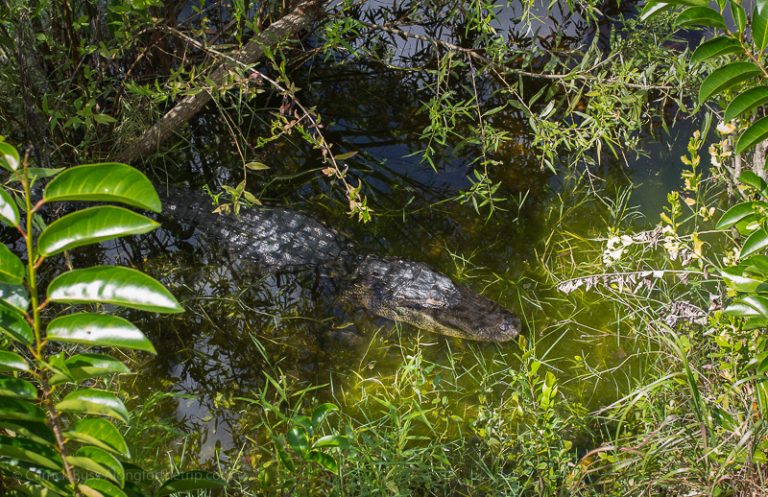
Big Cypress National Preserve protects 729,000 acres of land and swamp that borders the Everglades and acts as a freshwater ‘filter’ between those ecosystems. The Preserve is home to many different species of plants and animals, including egrets, herons, Florida panthers, the American alligator, and the occasional bobcat and river otter.
There are many activities for visitors to enjoy like camping, fishing, boat tours, off-roading, and paddling. If visiting both sides of Everglades National Park, take the drive on the Tamiami Trail (US 41) and make a stop at the Oasis Visitor Center or Big Cypress Swamp Welcome Center for exhibits, a short film on the Preserve, and some overlooks and information. If you’re lucky, you may even see a resident alligator. Consider booking an airboat tour around the swamp, which is the best way to see it.
Big Cypress National Preserve became America’s first National Preserve along with Texas’ Big Thicket National Preserve in 1974 when they first became part of the National Park System.
Biscayne National Park
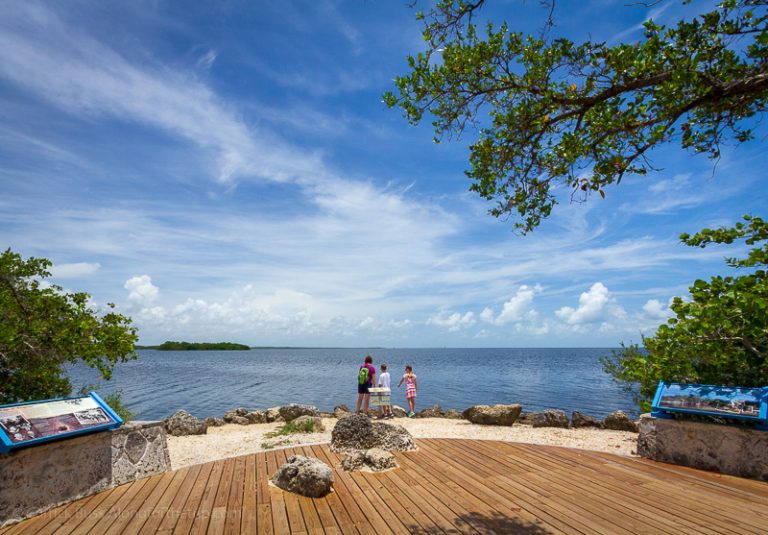
Biscayne National Park is just a short drive south of Miami, but once you’re there, you won’t even realize it’s so close. This Park is all about water, and while there are things to do on land, the best way to visit is to book a tour or get your own boat out on the Bay. Popular activities include paddling, guided boat tours, snorkeling, diving, and fishing, along with day trips out to nearby Boca Chita Key. Primitive camping is available on Boca Chita and Elliott Keys. If you can’t make it out on the water, take a walk along the shore and mangrove forests, go for a swim on the beach, or enjoy a picnic lunch by the Bay.
Biscayne protects 172,971 acres including Elliott Key – the northernmost of the Florida Keys – and began as a National Monument in 1968. In 1980, Biscayne was re-designated as a National Park. In 1992, Hurricane Andrew passed directly over the Dante Fascell Visitor Center, and visitors can see a plaque marking the event and where Andrew’s eye passed over.
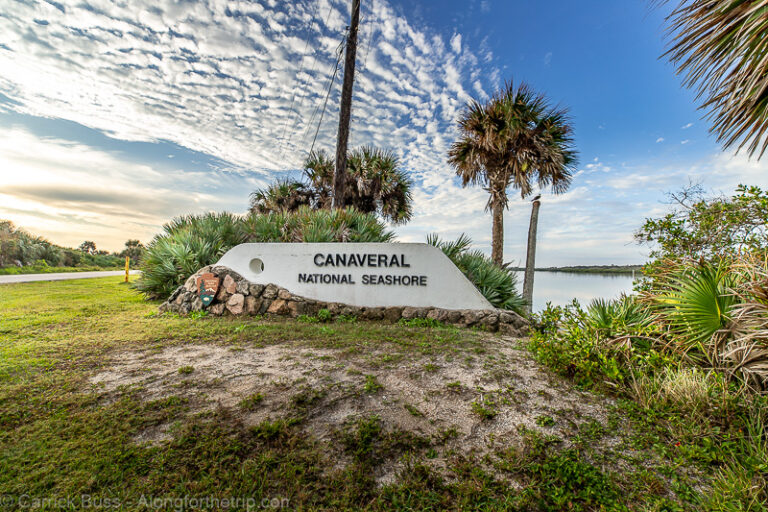
Canaveral National Seashore
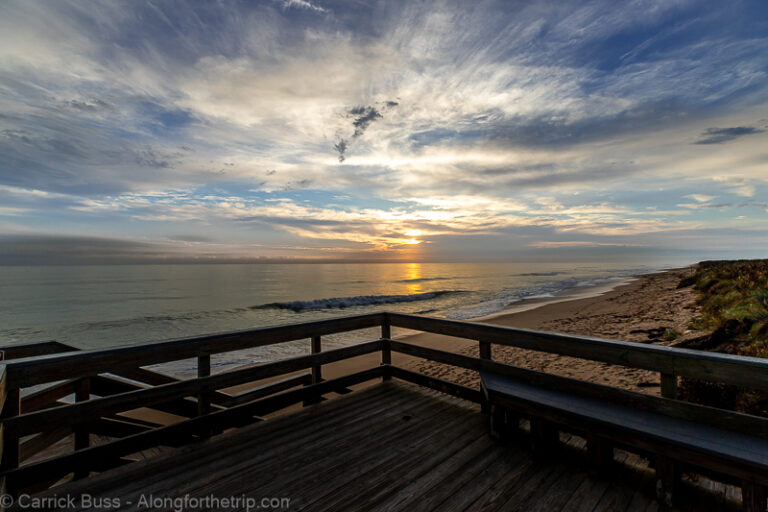
Canaveral National Seashore contains 58,000 acres of shoreline, barrier island, beach, forest, and offshore waters off the eastern coast of central Florida. The Seashore is an important breeding ground for sea turtles, with the turtles making up to 7,000 nests on the beach each year. It also protects the 156-mile long Indian River Lagoon – the most diverse and productive estuary in North America – and it serves as a habitat for finfish, clams, oysters, blue crabs, and shrimp. The 24 miles of undeveloped beach is the longest stretch anywhere in eastern Florida.
Two-thirds of the seashore is owned by NASA, and the Kennedy Space Center sits adjacent to the park. The beach is open to visitors wanting to watch launches from the complex, but parts of the seashore close for some launches. Check the schedule and closures and arrive early to stake out your spot. Other activities include night sky viewing, canoeing, and the turtle watch program. This program allows visitors to take a guided tour during nesting season to see the Loggerhead Turtle nests up close. Reservations are required.
The park is open daily at 6:00 a.m. and generally closes at 8:00 p.m. The Visitor Center is open from 9-5 daily.
Click here for more information on visiting the Kennedy Space Center Complex and the Cocoa Beach area.
Castillo de San Marcos National Monument
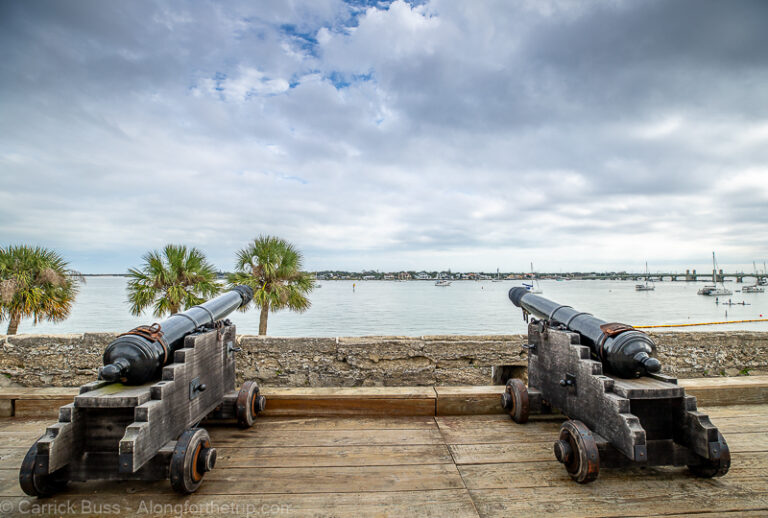
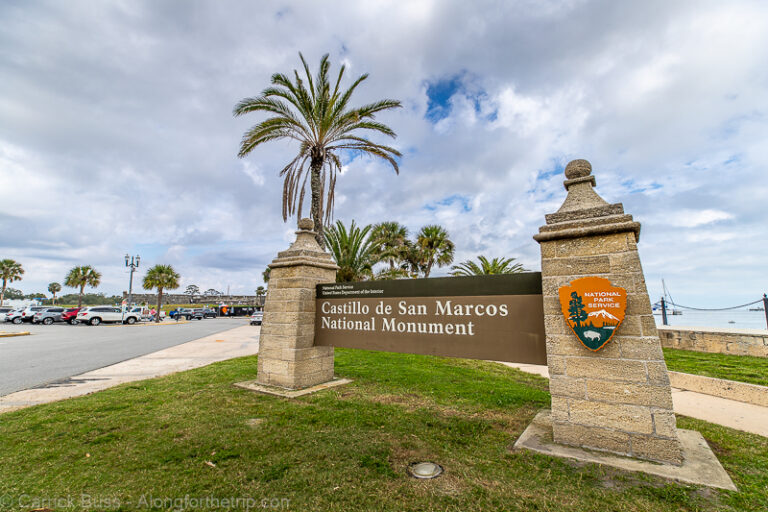
Located in St. Augustine, FL, the Castillo de San Marcos (pronounced kah-STEE-yoh day san MAR-kohs) (St. Mark’s Castle) is the oldest masonry fort in the United States and was built by the Spanish between 1672 and 1695. The fort has been used by the Spanish, the British, the United States Army during several wars, and now the National Park Service. The fort was designated a National Monument in 1924 and then transferred to the care of the National Park Service from the War Department in 1933. In 1966, the fort was listed on the National Register of Historic Places, and in 1975 was designated as a Historic Civil Engineering Landmark. The 20.5-acre site is open all year, except for major holidays.
De Soto National Memorial
De Soto National Memorial tells the story of Spanish Conquistador Hernando de Soto and his 1539 expedition that led him to Florida. The site itself is 26 acres and offers visitors a chance to relive the period with demonstrations and living history programs at Camp Uzita, where park staff and volunteers recreate a working 16th Century camp experience.
The Visitor Center and museum offer guests a chance to see and even try on historic armor, weapons, and related period items, watch a short film about De Soto, and learn more about the expedition. In May-October, the park also offers a free Ranger-led kayaking program.
Dry Tortugas National Park
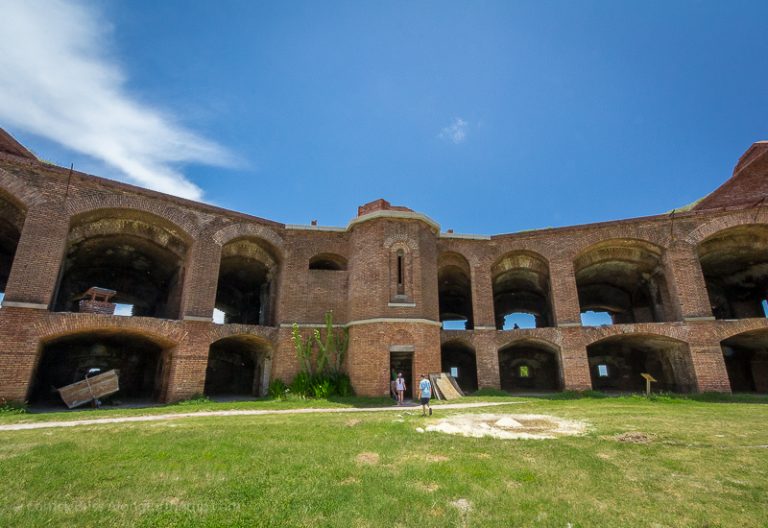
Dry Tortugas National Park is one of the most remote parks in the NPS. Located seventy miles west of Key West, this collection of small islands is home to Fort Jefferson, a Civil War-era fort built to defend from ships moving in and out of the Gulf of Mexico. Today it protects a wide variety of animal species, including important sea grass ecosystems, coral reefs, nurse sharks, sea turtles, reef fish, and many species of birds that nest here.
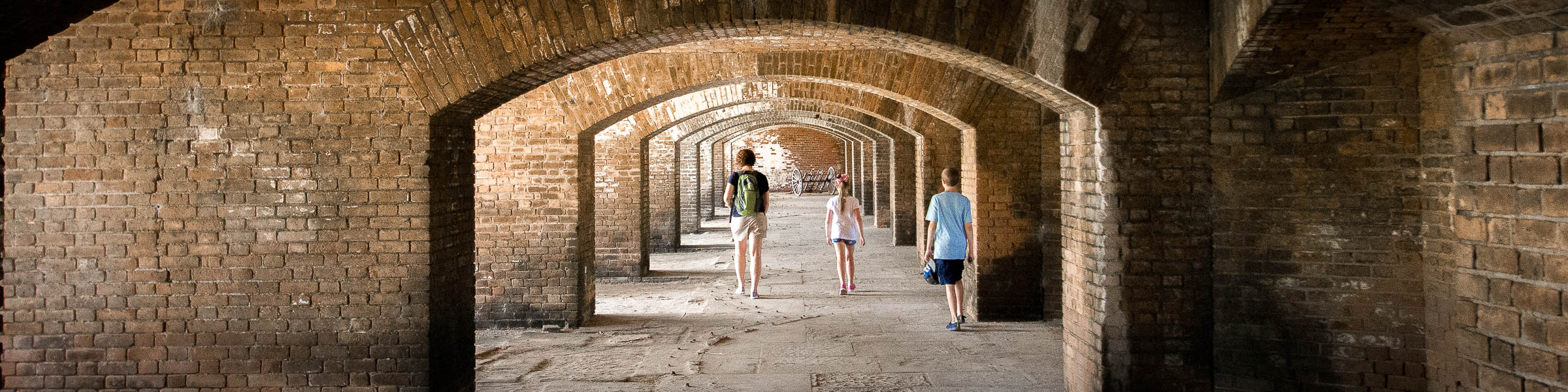
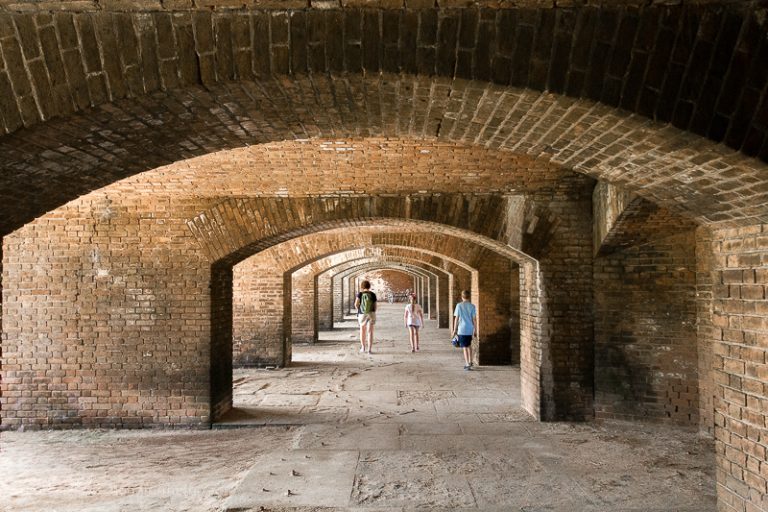
The most obvious feature of the park is Fort Jefferson, a behemoth constructed from over 16 million bricks that covers 16 acres of Garden Key, making it the largest brick masonry structure in the Americas. Visitors can explore most parts of the fort by walking around the ramparts and exploring the heavy artillery, prison cells, and various other features. The park’s Visitor Center is also located here with a small museum and bookstore.
Other popular activities at the park include diving, snorkeling, boating, camping, and paddle sports. Ranger-guided tours of the Fort are available and include history tours, ecological moat walks, living history demonstrations, night sky programs, and other special events.
Visitors to Dry Tortugas can arrive by boat or seaplane. Most people take the ferry from Key West, but you can also charter a boat or drive your own. For our visit, we took the seaplane, which offers incredible views of Fort Jefferson, the islands, and even a shipwreck or two along the way. Although it is more expensive, it allows for more time in the park.
The ferry ride takes about two hours each way from Key West, but includes a guided tour when you arrive and also allows you to bring extra camping gear if you are staying overnight. Garden Key is open year round, 24 hours a day, while Ft. Jefferson, on Garden Key, and Loggerhead Key are open to day visitors year round from sunrise to sunset.
Fort Jefferson began as a National Monument in 1935 and was re-designated as Dry Tortugas National Park in 1992 by Congress.
Everglades National Park
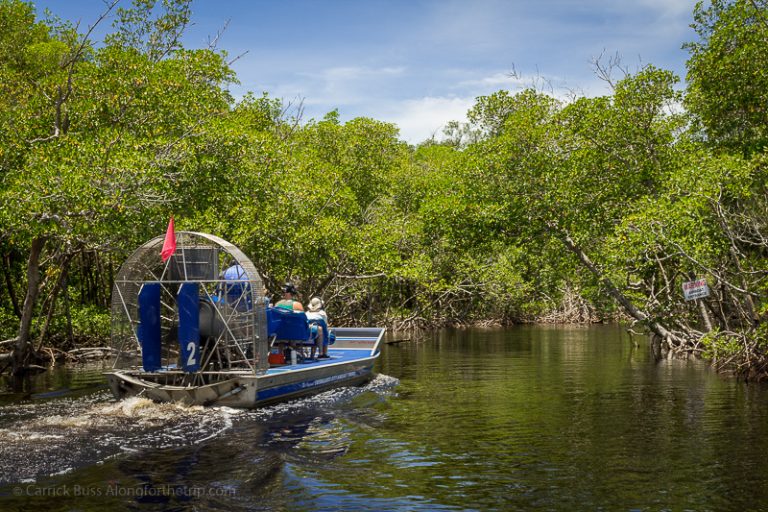
Everglades National Park is one of America’s largest National Parks, encompassing 1.5 million acres of swamp, marshland, estuary, and mangrove forest. It’s the third-largest park in the lower 48 states. In addition to protecting fragile plant and water ecosystems, the park protects the threatened manatee and American crocodile and the endangered Florida panther. Besides its National Park designation, the park has been recognized internationally as a World Heritage Site, International Biosphere Reserve, and a Wetland of International Importance. It’s one of only three parks in the world that has all three designations.
Visiting the park is easy to do either from the east or the west coast of southern Florida as the park has Visitor Centers on either side. Camping, fishing, hiking, and a variety of canoe and kayak water trails are available to explore in the park. For those looking for a little adventure, try an airboat tour through the mangrove forests. Airboat operators and guides are available in nearby towns like Everglades City.
Consider taking a drive through the park from one side to the other on the Tamiami Trail and making a stop at the adjacent Big Cypress National Preserve. Tram rides are popular leaving from the Shark Valley Visitor Center and give visitors a 2-hour ride around a 15-mile loop. Bicycle rentals are also a popular way to get around the loop.
Everglades National Park was authorized in 1934, established in 1947, and later expanded in 1989.
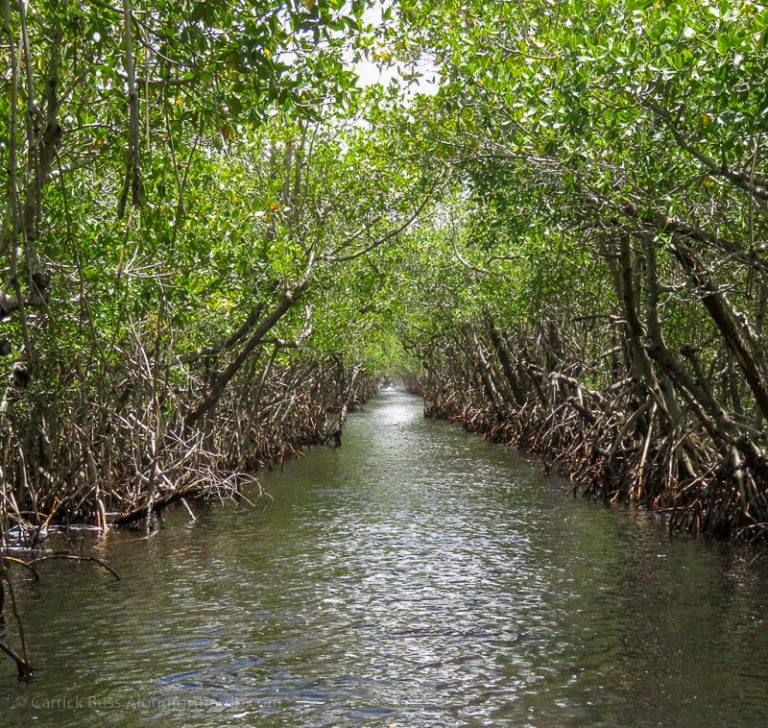
Fort Caroline National Memorial
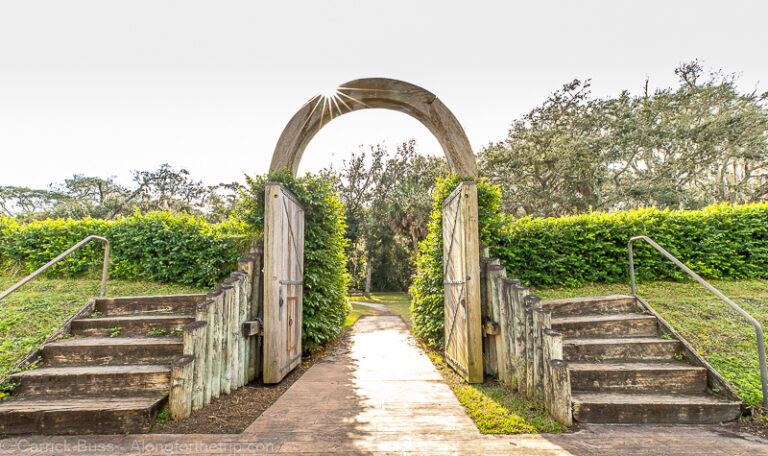
Fort Caroline National Memorial is part of the Timucuan Preserve and memorializes the French presence in sixteenth-century Florida. The Park tells the story of the first 300 Europeans to set sail and establish the Fort, the conflicts that erupted with the Spanish, and the eventual abandonment of the Fort in the late 1560s.
Visitors to Fort Caroline can learn about its history and also hike the surrounding trails, view a collection of artifacts at the museum, and of course explore the Timucuan Ecological and Historic Preserve that surrounds the Fort.

Fort Matanzas National Monument
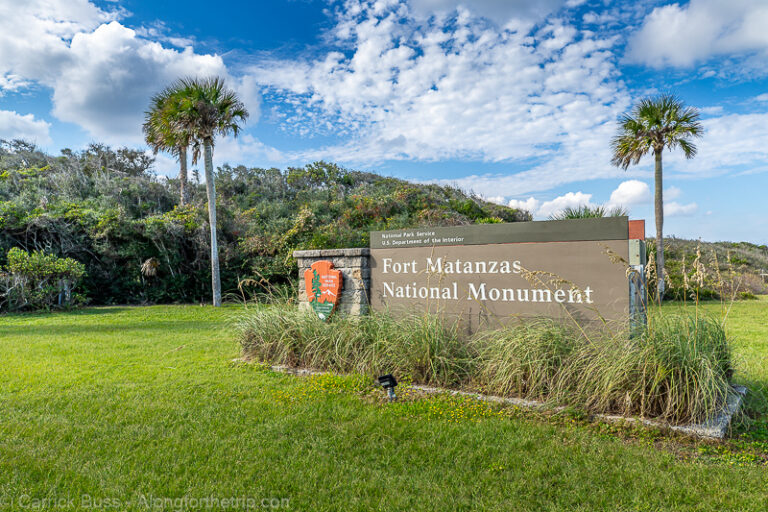
In 1564, French Huguenots had settled along the Atlantic Coast of Florida in Spanish territory. The Spanish King sent an army to kick them out, and the inlet near Fort Matanzas (pronounced muh-TAN-zus) was the site of their massacre in 1565. This began an era of Spanish reign in Florida that lasted many years until they were defeated by the British, and ultimately the United States took control.
Today the Fort can be explored by taking a ferry from land which leaves once an hour. Fort Matanzas is located fifteen miles south of St. Augustine, Florida. The Fort was designated a National Monument in 1924.
The ferry wasn’t running on the day of our visit, so we didn’t get any up-close photos of the fort.
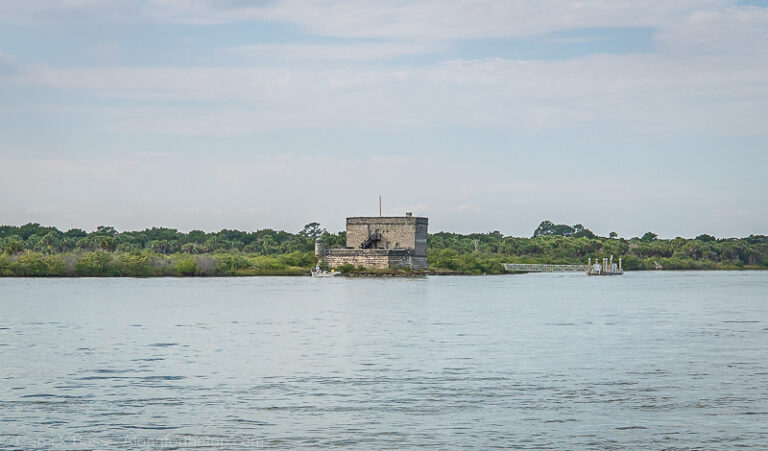
Gulf Islands National Seashore
Gulf Islands National Seashore was established in 1971 and protects the ecosystems, wildlife, and barrier islands on the northern Gulf of Mexico along the shores of Florida and Mississippi. It is America’s largest National Seashore at 160 miles long, and includes the northern coast of the Gulf of Mexico from Cat Island in Mississippi to the Okaloosa Area in Florida.
Popular areas in Florida to visit are the beaches at Perdido Key, Okaloosa, and Santa Rosa. In Mississippi, Cat Island, Ship Island, and Horn Island are popular. Boating, paddling, white sand beaches, camping, swimming, snorkeling, and diving are all things to enjoy here. Hike and bike paths are also available at some of the sites.
Each site is open seasonally depending on conditions, so be sure to check before you visit.
Timucuan Ecological and Historic Preserve
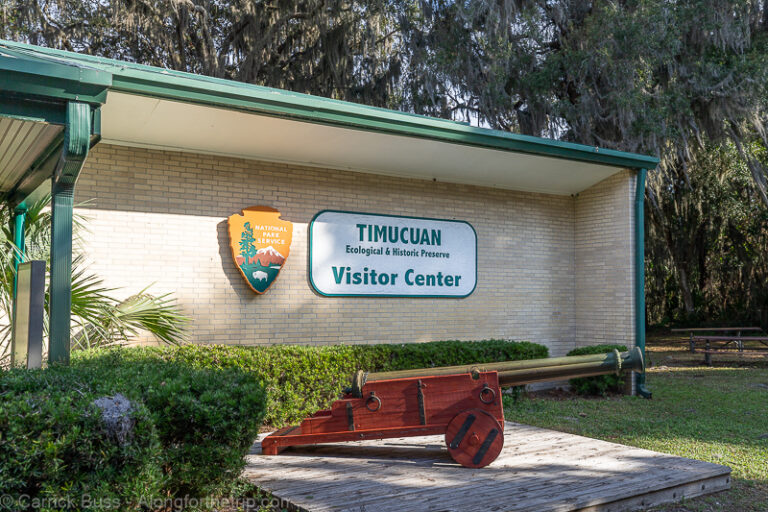
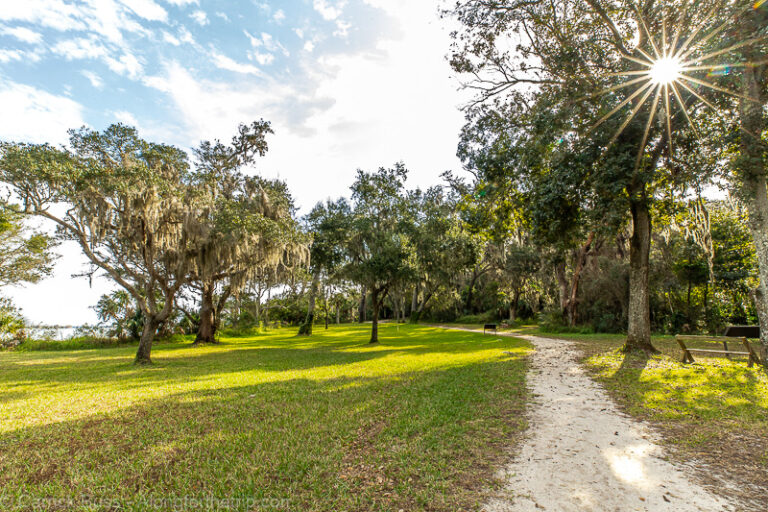
Timucuan (pronounced tih-MOO-kwan) Ecological and Historic Preserve in Jacksonville, FL protects 46,000 acres of coastal wetlands, forest, and wildlife habitat. It is also home to Fort Caroline National Memorial and the Kingsley Plantation, the oldest standing plantation in Florida. The Preserve has several other areas to explore and is popular with paddlers, hikers, and campers. The Preserve was established in 1988 and then expanded in 1999.
Partners of the Park Service
NPS-affiliated sites in Florida
These sites aren’t run by the National Park Service, but they’re part of the NPS family through national trails and heritage areas.
Florida National Scenic Trail
The Florida National Scenic Trail is one of 11 Scenic Trails in the United States and was designated by Congress in 1983. The Trail begins in Big Cypress National Preserve in Southern Florida and runs north and west through the Florida Panhandle. The Trail is about 1,500 miles long. It is administered by the United States Forest Service and co-managed by several state and local agencies and volunteer groups including the National Park Service.
For maps and permits, visit the Florida Trail Association here.
Gullah Geechee Cultural Heritage Corridor
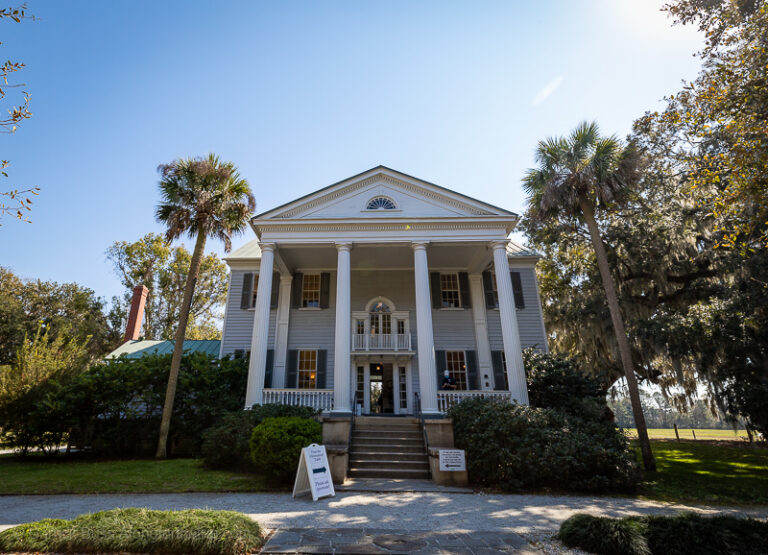
The Gullah Geechee Cultural Heritage Corridor stretches from Wilmington, North Carolina in the north to Jacksonville, Florida in the south and tells the story of enslaved Africans on America’s shores. The Gullah Geechee people are descendants of Africans brought from West Africa amid the slave trade to work the fields along the Atlantic Coast. Several museums along the route allow visitors to explore the stories and culture of the people.
The Corridor is 12,000 square miles and was designated by Congress in 2006.
Wekiva Wild and Scenic River
The Wekiva (pronounced wee-KY-vuh) Wild and Scenic River was established in 2000 as part of the National Wild and Scenic Rivers System. These free-flowing rivers are located in central Florida just north of Orlando and have been designated based on their scenic and recreational value, wildlife and habitat protection, historic and cultural relevance, and the desire to protect the quality and quantity of the water.
Click here for more information on the Wekiva Wild and Scenic River.
Good to know
Florida national parks questions
Florida has three national parks: Biscayne National Park, Dry Tortugas National Park, and Everglades National Park. It also has eight other National Park Service sites.
There are 11 NPS sites in Florida: three national parks, two national preserves, two national seashores, two national monuments, and two national memorials. Three more NPS-affiliated sites, like Florida National Scenic Trail, round out the list.
So far we’ve visited nine of the 11 NPS sites in Florida, including Biscayne National Park, Dry Tortugas National Park, and Everglades National Park. We’ve also visited one of the affiliated sites.
Keep exploring
National parks in nearby states
There’s more to explore in these nearby states.