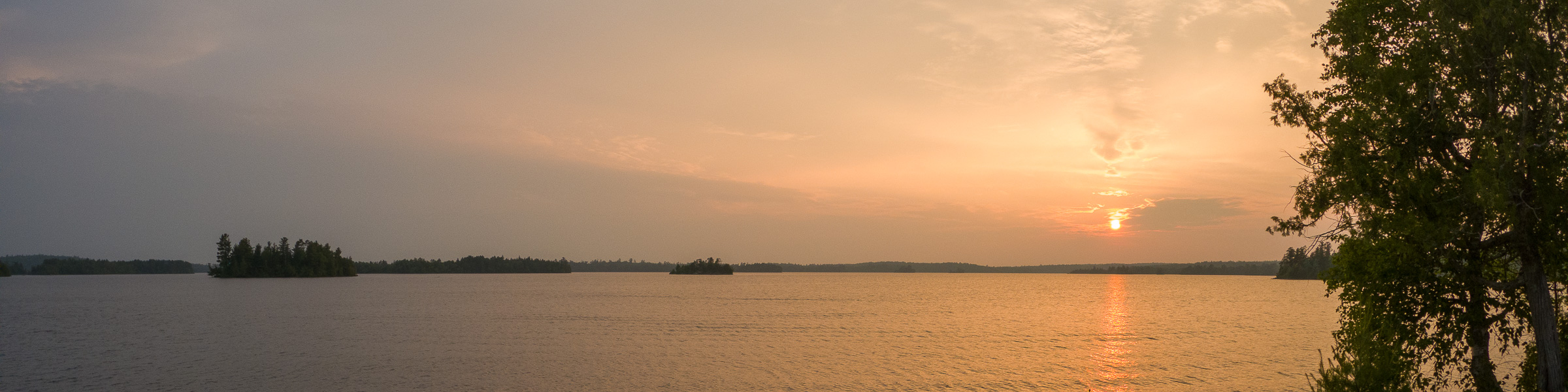
Sunset on the Boundary Waters, Minnesota. All photography is ours.
Home/National parks/Minnesota
Minnesota National Parks
The ‘Land of 10,000 Lakes’ has views for miles and a rich history of trading thanks to their famous voyageurs. Come #FindYourPark in Minnesota.
National parks guide · Updated October 2026
Every NPS site in Minnesota
6
National Park Service sites in Minnesota
There are six National Park Service sites in Minnesota: two national monuments, a national river, a national scenic trail, a national scenic river, and a national park. Tap any of them to jump to its details.
At a glance
We’ve been · 0 of 6
1national park
We’ve beenNot yet
Grand Portage National Monument
Grand Portage National Monument in northeastern Minnesota is a historical site that commemorates an important hub of the fur trade in North America. The monument preserves the legacy of the Grand Portage, a vital fur trading route used by voyageurs and Native American traders from the late 18th century. This historic site provides visitors with a unique opportunity to step back in time and learn about the rich history of this region. Authorized in 1958 and established in 1960, the monument is situated on the shores of Lake Superior and features a reconstructed trading post and authentic Ojibwe heritage village, which transport visitors to the era of the North American fur trade.
Visitors to Grand Portage National Monument can enjoy the reconstructed fur trading post which offers guided tours and exhibits that detail the hardships and challenges faced by fur traders and its impact on Native American communities and European settlers. The Ojibwe heritage village showcases traditional structures, including a birchbark lodge and a canoe shed, where visitors can learn about Ojibwe culture and traditions. Additionally, the monument hosts seasonal events and demonstrations, such as traditional craft workshops, historical reenactments, and fur trading rendezvous, providing a hands-on experience for history enthusiasts.
The monument is also an ideal destination for outdoor enthusiasts. Hiking trails lead visitors along the scenic Pigeon River. Nearby Grand Portage State Park has the iconic 120-foot High Falls waterfall. There are also opportunities for bird-watching, picnicking, and wildlife observation. Backcountry camping is available at Fort Charlotte with a permit.
Mississippi National River and Recreation Area
The Mississippi National River and Recreation Area is a sprawling natural and cultural preserve that traces the course of the Mississippi River through the Twin Cities area. Established in 1988, it encompasses over 72 miles of the river, offering visitors a unique opportunity to explore the rich history and diverse landscapes of the Mississippi.
Visitor activities include several interpretive centers and historic sites, opportunities for bird-watching, hiking, and scenic drives along the Great River Road, allowing visitors to appreciate the diverse flora and fauna that call the Mississippi River home.
Outdoor recreation is a major draw for the park and includes boating, fishing, and picnicking. The Mississippi River itself is an excellent spot for kayaking and canoeing, offering a unique perspective on the landscape and its history. The park’s extensive trail system allows for hiking and biking, with routes for all skill levels.
North Country National Scenic Trail
The North Country National Scenic Trail spans eight states and is part of the National Trails System Act signed into law by President Johnson in 1968. The North Country National Scenic Trail was added to the system in 1980 with seven states. Today, New York, Vermont, North Dakota, Michigan, Minnesota, Ohio, Pennsylvania, and Wisconsin host parts of the trail.
When complete, the trail will stretch about 4,800 miles, and much of it is already built. It connects various landscapes, urban districts, historic sites, forests, lakes, canals, towns, and large cities.
Pipestone National Monument
Pipestone National Monument, established in 1937, was created to preserve the region’s unique geological formations, particularly the soft red pipestone used by Indigenous people to craft ceremonial pipes. The site is revered by many Native American tribes who continue to quarry the pipestone for sacred purposes. The history of Pipestone National Monument is deeply rooted in Native American traditions and the craft of pipestone carving, making it a remarkable and spiritually important place.
Visitors to Pipestone National Monument can explore its rich history and culture beginning at the Visitor Center, which provides an introduction to the geological and cultural significance of the pipestone quarries. Guided tours are available, offering insights into the monument’s history and the art of pipestone carving. One of the main attractions is the active pipestone quarries, where visitors can observe tribal members extract the soft red stone using traditional methods. The visitor area also features several walking trails, allowing visitors to appreciate the natural beauty of the site and to spot the diverse flora and fauna of the tallgrass prairie ecosystem.
Many artists come to the monument to create intricate pipestone carvings, demonstrating their skill and sharing the cultural significance of their art. The monument hosts special events and demonstrations that provide visitors with a deeper understanding of the customs and traditions of the Indigenous people who have long regarded this area as sacred.
Saint Croix National Scenic Riverway
The Saint Croix National Scenic Riverway covers 200 miles of river and waterway through forested parts of Wisconsin and Minnesota, which serves as the natural border between the two states. Boating, paddling, canoeing, camping, fishing, and hiking are all popular activities here.
Click here for a list of things to do at the Saint Croix National Scenic Riverway.
Voyageurs National Park
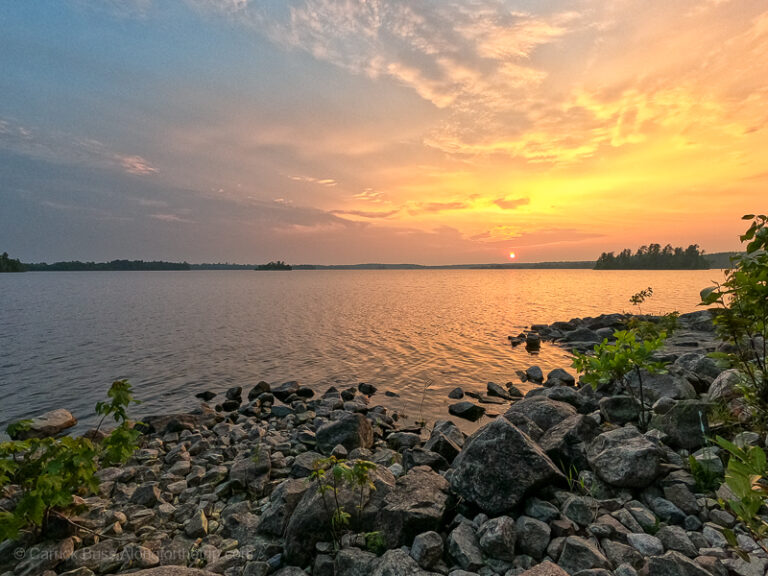
Voyageurs National Park is situated in northern Minnesota along the Canadian border. The park was established in 1975 to preserve the pristine wilderness, lakes, and rugged landscapes that were once traveled by French-Canadian voyageurs in the late 18th and early 19th centuries. The park encompasses four large lakes and dozens of smaller interior lakes, making it a prime destination for those seeking outdoor adventures and a glimpse into the historical heritage of the fur trade era.
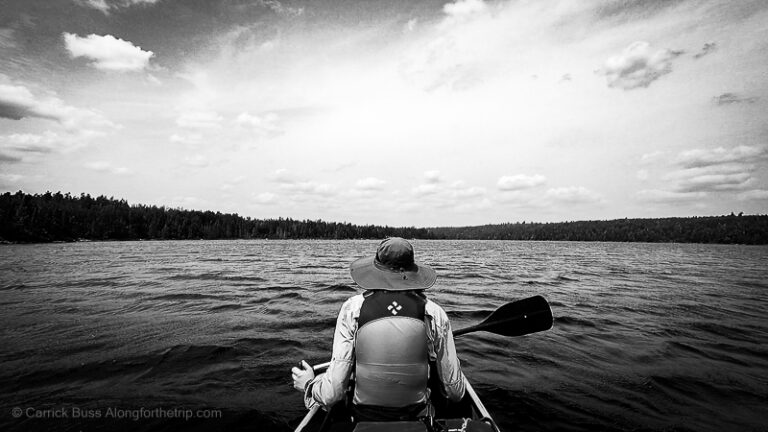
The most popular activities at Voyageurs National Park are boating, canoeing, camping, and kayaking along the vast network of interconnected lakes and rivers. Fishing enthusiasts can reel in a variety of freshwater species, including walleye, northern pike, and smallmouth bass, while hiking trails and scenic overlooks offer breathtaking views of the park’s forests, waterfalls, and diverse wildlife.
The historic Kettle Falls Hotel and the park’s visitor centers provide insights into the fur trading and logging eras. Guided boat tours and ranger-led programs offer interpretations of the park’s historical significance and ecological diversity. Visitors can also experience the park’s renowned dark skies, perfect for stargazing and observing the celestial wonders above.
Voyageurs National Park along with Canada’s Quetico and La Verendrye Provincial Parks share a border with the Boundary Waters Canoe Area Wilderness, containing over 1,200 miles of canoe routes, 12 hiking trails and over 2,000 designated campsites. The BWCAW is managed by the US Forest Service and is the only large temperate lake-land wilderness in the National Wilderness Preservation System. For those familiar with Scouting, this is also the home of Northern Tier, Scouting America’s oldest high adventure base, founded in 1923.
President Nixon signed the legislation authorizing the Park on January 8, 1971 and in 1975, Voyageurs became America’s 36th National Park.
Good to know
Minnesota national parks questions
Minnesota has one national park: Voyageurs National Park. It also has five other National Park Service sites.
There are six NPS sites in Minnesota: two national monuments, a national river, a national scenic trail, a national scenic river, and a national park.
We haven’t visited any of them yet, but they’re on our list.
Keep exploring
National parks in nearby states
There’s more to explore in these nearby states.