New York. All photography is ours.
Home/National parks/New York
New York National Parks
New York is more than just the Big Apple. Its landscapes and historical significance are larger than life also. Come #FindYourPark in New York.
National parks guide · Updated October 2026
Every NPS site in New York
28
National Park Service sites in New York
There are 28 National Park Service sites in New York: 10 national historic sites, seven national monuments, three national memorials, three national historical parks, two national scenic trails, a national seashore, a national recreation area, and a national recreational river. Tap any of them to jump to its details.
At a glance
We’ve been · 1 of 28
Affiliated sites · 9
0national parks
No national parks in New York yet
We’ve beenNot yet
National Park Service sites 28
NPS-affiliated sites 9
Captain John Smith Chesapeake TrailChamplain Valley Heritage PartnershipChesapeake BayErie Canalway Heritage CorridorKate Mullany National Historic SiteMaurice D. Hinchey Hudson River Valley Heritage AreaNational Parks of New York HarborNiagara Falls Heritage AreaWashington-Rochambeau Trail
African Burial Ground National Monument
African Burial Ground National Monument memorializes America’s earliest and largest African burial ground ever found. In 1991, a construction project in downtown Manhattan unearthed the site, and after intense archaeological study of the remains of 419 people, it was determined that an estimated 15,000 Africans – both free and enslaved – were buried here from the 1630s to 1795. The burial ground is 6 acres in size and takes up about 5 city blocks. With help from city and local government, city groups, and the scientific community, a plan was devised for the burial site and the bodies were re-interred.
Today, the Visitor Center hosts a theater, bookstore, and museum with artwork and artifacts from the site. President George W. Bush declared the site a National Monument in 2006.
Appalachian National Scenic Trail
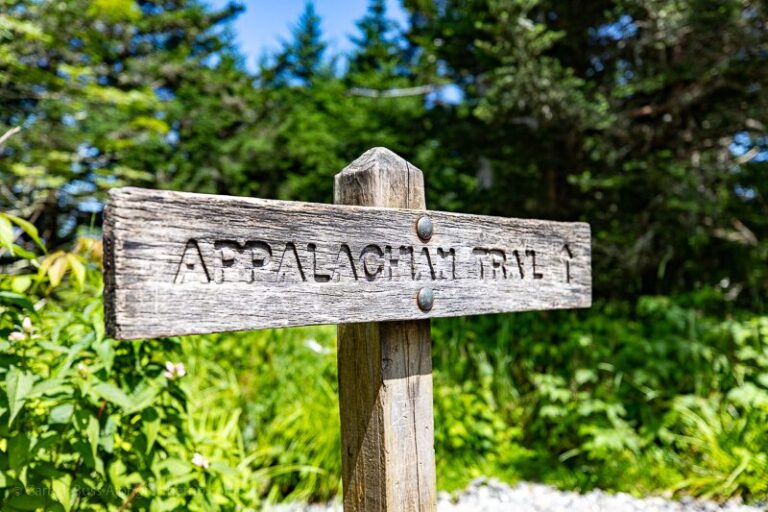
One of America’s most famous trails, the Appalachian National Scenic Trail stretches an incredible 2,198 miles and runs nearly the entire length of the eastern United States from Maine to Georgia. The trail was constructed by private citizens and completed in 1937. Today, the trail is maintained by several federal and state agencies, as well as volunteer groups. Click here for more information on the Appalachian National Scenic Trail.
Castle Clinton National Monument
Castle Clinton was one of four forts built prior to the War of 1812 between 1808 and 1811 to keep the British Navy from entering New York Harbor. They succeeded, and after the war Castle Clinton served as an opera house, an immigration center, an aquarium, and finally a National Monument.
Today Castle Clinton National Monument serves as the ticket office for the Statue of Liberty and receives over four million recreational visits each year, making it one of the most visited NPS sites in the country. National Park Service sites in Manhattan include Castle Clinton National Monument, General Grant National Memorial, Hamilton Grange National Memorial, Theodore Roosevelt Birthplace National Historic Site, Federal Hall National Memorial, African Burial Ground National Monument, Stonewall National Monument, and Governors Island National Monument. Saint Paul’s Church National Historic Site is just north of the city in Mount Vernon. Castle Clinton was designated a National Monument in 1946 and added to the National Register of Historic Places in 1966.
Eleanor Roosevelt National Historic Site
Located in Hyde Park, NY, Eleanor Roosevelt National Historic Site is the only National Historic Site dedicated solely to a First Lady. The first Presidential Library is also nearby. Nestled in the Hudson River Valley National Heritage Area, the Park offers visitors lots to see and explore, including several other NPS sites, the FDR Presidential Library, gardens, trails, and many historic buildings. The site encompasses about 181 acres, and visitors can explore several of the buildings and cottages where the Roosevelts hosted world leaders or just relaxed with a good view.
The Visitor Center and site are open all year based on weather, so be sure to check before you visit. Here you can get more information about the various places to visit and also schedule a Ranger-led tour and explore the exhibits on display. Hyde Park, NY is home to three National Park Sites – Home of Franklin D. Roosevelt National Historic Site, Eleanor Roosevelt National Historic Site, and Vanderbilt Mansion National Historic Site. Eleanor Roosevelt National Historic Site was established in 1977.
Ellis Island / Statue of Liberty National Monument
Ellis Island is managed as part of the Statue of Liberty National Monument and serves to tell the stories of the immigrants who passed through here between 1892 and 1954. The Ellis Island National Museum of Immigration chronicles America’s immigration history and is open to guests visiting the island. Ferry rides to Ellis Island can be secured through an authorized concessioner and typically include a stop at Liberty Island as well. Ellis Island has been part of Statue of Liberty National Monument since 1965.
Federal Hall National Memorial
As America emerged from the Revolutionary War, they began to form a new government, and Federal Hall in New York City was where it was born. The first Congress of the United States met here to begin hammering out the details of America’s new democracy, and it was also the place where George Washington, the first President of the United States of America, would be inaugurated. Visitors can tour the building and the Washington Inaugural Gallery where you can find Washington’s first inaugural Bible.
Federal Hall National Memorial is located in New York’s financial district and was designated as a National Memorial in 1955.
Fire Island National Seashore
Fire Island is a long, skinny barrier island that runs along New York’s Long Island. It’s home to wildlife like whales, dolphins, and seals, and provides many recreational opportunities all year. Boating, fishing, and canoeing are all popular, along with camping and Ranger programs in the warmer months. Ferries to Fire Island run year round but are more limited in the winter, so be sure to plan in advance.
Fire Island National Seashore protects approximately 26 miles of beach and shoreline and was established in 1964.
Fort Stanwix National Monument
Fort Stanwix was built along the Oneida Route, a 6-mile portage connecting the Mohawk River and Wood Creek. This was a major route that connected Canada with New York City and played a vital role during the American Revolution. Today visitors to the Fort can discover the events of 1777 when the Fort was besieged, or just hike some trails around the park. Ranger-led guided tours are also available.
Fort Stanwix National Monument occupies about 16 acres in downtown Rome, NY and was designated a National Monument in 1935.
Gateway National Recreation Area
Gateway National Recreation Area encompasses 27,000 acres in New York and New Jersey and offers green spaces, beaches, and recreation for millions of visitors each year. Cycling, boating, swimming, and fishing are all popular here, as well as visiting some of the historical sites in the area like the Sandy Hook lighthouse or Fort Wadsworth. Gateway National Recreation Area was created by Congress in 1972.
General Grant National Memorial
The General Grant National Memorial in Riverside Park in Manhattan is the final resting place for President Ulysses S. Grant and his wife, Julia. Self-guided, as well as Ranger-led, tours are available of the Mausoleum which is the largest in the United States. Visitors can also tour the grounds and learn more about the site in the Visitor Center. The General Grant National Memorial was designated in 1958.
Governors Island National Monument
Governors Island sits in New York Harbor just off the tip of Manhattan, and it was an Army post from 1794 to 1966 and then a Coast Guard base until 1996. Today the island serves in a different way – a gathering place for artists and a seasonal venue for New Yorkers to have some fun. Visitors can still tour Castle Williams and Fort Jay on the Island. Governors Island National Monument was officially designated in 2001.
Hamilton Grange National Memorial
Hamilton Grange National Memorial is the former Harlem, NY home of Alexander Hamilton, Founding Father and America’s first Secretary of the Treasury. While not part of Lin-Manuel Miranda’s musical Hamilton, guests can still learn about the life and times of this now-famous American statesman with guided tours of the home, grounds, and historically furnished rooms. Enjoy a film about Hamilton, as well as a gallery and exhibits about his life and diverse accomplishments. The home was moved in 2008 to its current location for restoration, and the Memorial was established in 1962 by Congress. The Grange was the only home that Alexander Hamilton ever owned.
Harriet Tubman National Historical Park
Harriet Tubman was a staunch supporter of women’s suffrage and also known for her involvement with the Underground Railroad and her efforts to free slaves. The Harriet Tubman National Historical Park includes the Thompson Memorial African Methodist Episcopal Zion Church, the Harriet Tubman Visitor Center, the Tubman Home for the Aged, and the Harriet Tubman Residence. Nearby Fort Hill Cemetery is where Harriet Tubman is buried and is operated outside of the National Park Service. The Historical Park was designated in 2017.
Home of Franklin D. Roosevelt National Historic Site
Situated in the Hudson River Valley National Heritage Area, the Home of Franklin D. Roosevelt National Historic Site preserves the home and surrounding grounds of America’s 32nd President. The home and surrounding area encompass about one thousand acres. The National Park Service manages it together with two separate nearby sites, Eleanor Roosevelt National Historic Site and Vanderbilt Mansion National Historic Site. Springwood, as it is referred to, was originally built around 1800 and was enlarged and remodeled in 1915.
Visitors are able to take a tour through the home and view the original furnishings and decorations that were present during FDR’s time there. Other sights include the Top Cottage where the Roosevelts often hosted world dignitaries, and Val-Kill Cottage where Eleanor lived and worked. Other activities include the Franklin D. Roosevelt Presidential Library, hiking trails, gardens, and special exhibits at the museum. Both Franklin and Eleanor are buried at Springwood, and the burial site and grave marker are open to the public.
The Home of Franklin D. Roosevelt National Historic Site was officially established on January 15, 1944.
Lower East Side Tenement Museum National Historic Site
Between 1863 and 1935, New York’s Lower East Side served as an overcrowded home to many immigrants coming to the United States. This Historic Site serves as a reminder of daily life of 7,000 immigrants from all over the world who were looking for a better life. Visitors can tour historically restored apartments and explore the neighborhoods that these new Americans called home. The Lower East Side Tenement Museum National Historic Site was designated in 1998. Learn more at tenement.org.
Martin Van Buren National Historic Site
Founder of the Democratic Party and eighth President of the United States, Martin Van Buren purchased an estate in the village of Kinderhook, NY which became his home until his death in 1862. Van Buren named the 36-room mansion Lindenwald, which is now open to visitors. Guided tours are available where you can learn about the home, farm, and post-presidential life of Van Buren. Hiking trails are also open around the property to explore.
Lindenwald was declared a National Historic Landmark in 1961 and was designated Martin Van Buren National Historic Site in 1974.
North Country National Scenic Trail
The North Country National Scenic Trail spans eight states and is part of the National Trails System Act signed into law by President Johnson in 1968. The North Country National Scenic Trail was added to the system in 1980 with seven states. Today, New York, Vermont, North Dakota, Michigan, Minnesota, Ohio, Pennsylvania, and Wisconsin host parts of the trail.
When complete, the trail will stretch about 4,800 miles, and most of it is already built. It connects various landscapes, urban districts, historic sites, forests, lakes, canals, towns, and large cities.
Sagamore Hill National Historic Site
From 1885 until 1919, Sagamore Hill was the home of Theodore Roosevelt and was considered his “Summer White House.” The site is located in Oyster Bay, NY, about 25 miles east of Manhattan along the north shore of Long Island, and visitors can explore the home via guided tour, see exhibits from Roosevelt at the Old Orchard Museum & Visitor Center, and wander about the site’s 80 acres. Roosevelt died at Sagamore Hill on January 6, 1919, and the site was designated Sagamore Hill National Historic Site in 1962.
Saint Paul’s Church National Historic Site
Saint Paul’s Church just north of New York City in Mount Vernon has been intertwined in America’s history since before this country was a country. Construction on the current church began in 1763. Its walls have seen the removal of the British from American soil – the French as well – and nearly every part of this structure has a story to tell.
Unique features include one of the oldest working pipe organs in the United States and a church bell that was cast in the same foundry in England as the Liberty Bell in Philadelphia. The pews still have nameplates from families that occupied them from back in 1787. Guided and self-guided tours of the church are available and typically take about 1.5 hours to complete. Saint Paul’s Church National Historic Site was designated in 1943.
Saratoga National Historical Park
In 1777, American soldiers successfully defended and overcame the British Army here, forcing the first surrender of an entire British army. It rallied the Americans and their allies and changed the tide of the American Revolution. Today, guests can bike and hike the grounds, climb the 188 steps up to the Saratoga Monument, and tour the Philip Schuyler Country Estate built in 1777. Saratoga National Historical Park was designated in 1938.
Statue of Liberty National Monument
Designed by French sculptor Frédéric Auguste Bartholdi from an idea by Edouard de Laboulaye, the Statue of Liberty was built to “honor the United States’ centennial of independence and the friendship with France” (www.nps.gov). Since 1886, “Lady Liberty” has been a beacon of hope and democracy for millions of immigrants arriving to the United States.
Ellis Island became part of Statue of Liberty National Monument in 1965. Visitors can explore The Statue of Liberty Museum and theater, and those with pedestal or crown reservations can go inside the statue. Ferry rides to Liberty Island can be secured through an authorized concessioner and typically include a stop at Ellis Island as well.
Stonewall National Monument
In 1969, the LGBTQ community in New York’s Greenwich Village took part in an impromptu uprising at The Stonewall Inn, and it became the flashpoint for a historic movement for equal rights for LGBTQ Americans in the United States. Years of prohibition and humiliation finally came to a tipping point when an agitated crowd began to fight back when police tried to raid the Inn (which happened routinely). Stonewall National Monument was designated in 2016, and its visitor center opened in 2024. Guests can take part in Ranger-led talks and tours, or a self-guided NYC LGBT Historic Sites Project Walking Tour through Greenwich Village.
Theodore Roosevelt Birthplace National Historic Site
Theodore Roosevelt Birthplace National Historic Site is an 1848-replica brownstone in the heart of New York City and is the birthplace and boyhood home of America’s 26th President. Visitors to the home can take guided tours, explore galleries and exhibits of Roosevelt artifacts, and tour several rooms restored and decorated in period furniture. The site also conducts various events and living history enactments throughout the year.
The site was established as a National Historic Site in 1962, and the Theodore Roosevelt Association donated it to the National Park Service in 1963.
Theodore Roosevelt Inaugural National Historic Site
You might think that a Presidential Inauguration in Buffalo, NY is a bit irregular, and you’d be correct. While attending the Pan-American Exposition in Buffalo in 1901, President William McKinley was shot and ultimately died of his wounds there. It was in Buffalo that Theodore Roosevelt took the oath of office and assumed the office of the President. Visitors to the site can learn about events that took place there by taking a 1-hour guided tour of the Ansley Wilcox House that covers restored rooms and other interactive activities. Be sure to check here for a tour schedule. The Theodore Roosevelt Inaugural National Historic Site was designated in 1966. Learn more about the site and take a virtual tour here.
Thomas Cole National Historic Site
Thomas Cole was an American artist responsible for creating the Hudson River School, a 19th-century style of painting American landscapes and the first major art movement in the United States. It celebrated the preservation and natural beauty of the American landscape and was an outgrowth of European Romanticism. The site itself preserves the home and studios of Thomas Cole. Guided and self-guided tours are available, and guests are encouraged to explore the landscapes themselves on The Hudson River School Art Trail. The Thomas Cole National Historic Site was designated in 1999.
Upper Delaware Scenic & Recreational River
The Upper Delaware Scenic and Recreational River provides a natural boundary between 5 counties and 15 towns in New York and Pennsylvania and aims to preserve the scenic beauty of the area, along with historically and culturally significant sites. It became part of the National Wild and Scenic Rivers System in 1978, and today is a prime recreational area for hikers, fishers, and boaters. The area is also home to the nation’s oldest existing wire cable suspension bridge.
Vanderbilt Mansion National Historic Site
The historic Vanderbilt Estate sits in Hyde Park which was established in 1764 and was known as the most prominent estate of the era. Frederick W. Vanderbilt purchased the land in 1895 and built his mansion there. It was designed by Charles F. McKim and was modeled after the grand European palaces of the day. Frederick and his wife Louise lived in the house for nearly three decades, and their estate was eventually transferred to the Park Service in 1940 becoming the Vanderbilt Mansion National Historic Site.
Today, visitors can tour the mansion and experience the wealth and privilege of America’s Gilded Age firsthand. The house is renowned for its architecture and impeccable design and decoration. Outside, visitors can tour the grounds, the formal gardens, hike the trails, or visit the other NPS sites located in Hyde Park – the Eleanor Roosevelt National Historic Site and the Home of Franklin D. Roosevelt National Historic Site, along with the FDR Presidential Library and Museum.
Women’s Rights National Historical Park
In 1848 in Seneca Falls, NY, reformers and activists convened for the first Women’s Rights Convention to rally for women’s suffrage in America. It is believed to be the formal beginnings of the Women’s Rights movement in the United States. The Women’s Rights National Historical Park tells the story of this Convention and the fight for women’s right to vote. Led by Elizabeth Cady Stanton, the women authored the Declaration of Sentiments that helped propel the women’s movement forward. Although they didn’t live to get the right to vote, their activism paved the way for other suffragists and the eventual passage of the 19th Amendment to the U.S. Constitution in 1920.
Visitors can tour the Wesleyan Chapel, site of the conference, The Waterwall at Declaration Park, the Elizabeth Cady Stanton House, and other historic homes and sites nearby. Women’s Rights National Historical Park was established in 1980.
Partners of the Park Service
NPS-affiliated sites in New York
These sites aren’t run by the National Park Service, but they’re part of the NPS family through national trails and heritage areas.
Captain John Smith Chesapeake National Historic Trail
The Captain John Smith Chesapeake National Historic Trail explores the stories, people, and landscapes documented by John Smith and his crew as they set out to map 3,000 miles of the Chesapeake area between 1607 and 1609. Today you can still explore these areas, and popular activities include visiting Jamestown Island, boating, paddling, or canoeing the waters of the Chesapeake, sailing, learning about 17th-century America at a historical park, or just viewing the wildlife. There are literally hundreds of sites, trails, and places to visit along the trail.
The Chesapeake National Historic Trail makes its way through parts of Virginia, Maryland, Delaware, Washington D.C., Pennsylvania, and New York. For more information about places to visit along the trail, visit the official website here. The trail is managed in partnership by the National Park Service and the Chesapeake Conservancy.
Champlain Valley National Heritage Partnership
The Champlain Valley National Heritage Partnership is managed by the Lake Champlain Basin Program and works with the National Park Service to promote the area’s natural resources while encouraging good stewardship. The area lies in between the Adirondacks in New York and the Green Mountains in Vermont, and includes the interconnected waterways of Lake Champlain, Lake George, the Champlain Canal and portions of the Upper Hudson River in New York. It includes several cultural and historical sites, including Saratoga National Historical Park. For more information, visit champlainvalleynhp.org.
Chesapeake Bay
Chesapeake Bay and its watershed cover 64,000 square miles of area and is the largest estuary in the United States. In 2009 by Presidential Executive Order, a broad plan was put in place to protect Chesapeake Bay and to help preserve and restore the area for future generations. With the help of other organizations, along with the National Park Service, the strategy set goals of adding 300 new public access sites and conserving an additional 2,000,000 acres by 2025.
Visitor Centers for the park are located at the Zimmerman Center for Heritage in Wrightsville, PA, Columbia Crossing in Columbia, PA, and Sultana Education Foundation in Chestertown, MD. See findyourchesapeake.com for information on things to do.
The Chesapeake Bay watershed includes parts of Delaware, Maryland, New York, Pennsylvania, Virginia, West Virginia, and the District of Columbia.
Erie Canalway National Heritage Corridor
New York’s Erie Canalway National Heritage Corridor protects and promotes New York’s system of canals, which is the longest continually running system in the United States. Since 1825, New York’s canals have helped propel economic prosperity for millions of people. The Erie Canalway National Heritage Corridor encompasses 524 miles and nearly 5,000 square miles of area in upstate New York.
Other NPS sites that reside in the Corridor are Fort Stanwix National Monument, North Country National Scenic Trail, Saratoga National Historical Park, Women’s Rights National Historical Park, and many other sites, landmarks, and historic places. Congress designated the Erie Canalway NHC in 2000.
Kate Mullany National Historic Site
Kate Mullany was an early labor leader who started one of the first successful all-women labor unions – the Collar Laundry Union in Troy, New York in February 1864. The house was designated a National Historic Landmark in 1998 and is operated privately with assistance from the Park Service. It serves as the headquarters of the American Labor Studies Center.
Maurice D. Hinchey Hudson River Valley National Heritage Area
The Maurice D. Hinchey Hudson River Valley National Heritage Area was first established in 1996 and then renamed in 2019 and preserves cultural, scenic, and recreational sites in New York’s Hudson River Valley. It also includes several National Park Service sites like the Home of Franklin D. Roosevelt National Historic Site, Martin Van Buren National Historic Site, Saint Paul’s Church National Historic Site, Saratoga National Historical Park, and Vanderbilt Mansion National Historic Site. Passport stamps can be collected at many of the sites in the area. For a complete list of sites and activities, visit hudsonrivervalley.com.
National Parks of New York Harbor
The National Parks of New York Harbor are actually a collection of individual NPS Units that work together to protect and promote each other’s contribution to the mission of the entire organization. These 22 sites within 11 National Park Sites work to provide visitors a richer experience than just one park could provide. Participating parks include African Burial Ground National Monument, Federal Hall National Memorial, Gateway National Recreation Area, Stonewall National Monument, Statue of Liberty National Monument, Ellis Island National Museum of Immigration, Castle Clinton National Monument, Saint Paul’s Church National Historic Site, Governors Island National Monument, Theodore Roosevelt Birthplace National Historic Site, Hamilton Grange National Memorial, and General Grant National Memorial.
Niagara Falls National Heritage Area
Niagara Falls National Heritage Area aims to protect not only the natural beauty of the Falls themselves, but also the rich culture of American Indians, early European exploration, the history of the French and Indian War, the American Revolution, the War of 1812, the Underground Railroad, and many important sites that have contributed to the region’s significance. The area includes towns, villages, sites, and attractions that can be explored on your own or via shuttle, and it includes Niagara Falls State Park – the oldest state park in the United States.
Visit discoverniagara.org for ideas on planning a trip to the region. Niagara Falls National Heritage Area was authorized by Congress in 2008.
Washington-Rochambeau National Historic Trail
The Washington-Rochambeau National Historic Trail denotes one of the most successful troop movements in the Revolutionary War – one that led to victory over the British in Yorktown, Virginia, and eventually led to America’s independence. General Rochambeau of France combined his forces with General Washington’s, moving 680 miles over land and water to secure victory for the allies.
The Washington-Rochambeau National Historic Trail was formally recognized by Congress and signed into law by President Obama in 2009. The trail spans Massachusetts, Rhode Island, Connecticut, New York, New Jersey, Pennsylvania, Delaware, Maryland, Virginia, and what is now Washington D.C. It celebrates America’s alliance with the French during our fight for independence and also highlights the historical and military significance that proved to be a pivotal moment in American history.
Good to know
New York national parks questions
No. New York doesn’t have a national park, but it does have 28 National Park Service sites, including African Burial Ground National Monument, Appalachian National Scenic Trail, and Castle Clinton National Monument.
There are 28 NPS sites in New York: 10 national historic sites, seven national monuments, three national memorials, three national historical parks, two national scenic trails, a national seashore, a national recreation area, and a national recreational river. Nine more NPS-affiliated sites, like Captain John Smith Chesapeake National Historic Trail, round out the list.
So far we’ve visited Appalachian National Scenic Trail.
Keep exploring
National parks in nearby states
There’s more to explore in these nearby states.