All photography is ours.
Home/National parks/New Jersey
New Jersey National Parks
New Jersey played a huge role in America’s Revolutionary War. Learn about this and pay a visit to Lady Liberty herself. Come #FindYourPark in New Jersey.
National parks guide · Updated October 2026
Every NPS site in New Jersey
10
National Park Service sites in New Jersey
There are 10 National Park Service sites in New Jersey: three national historical parks, two national recreation areas, a national scenic trail, a national monument, a nps site, a wild and scenic river, and a national reserve. Tap any of them to jump to its details.
At a glance
We’ve been · 1 of 10
Affiliated sites · 4
0national parks
No national parks in New Jersey yet
We’ve beenNot yet
National Park Service sites 10
Appalachian National Scenic Trail
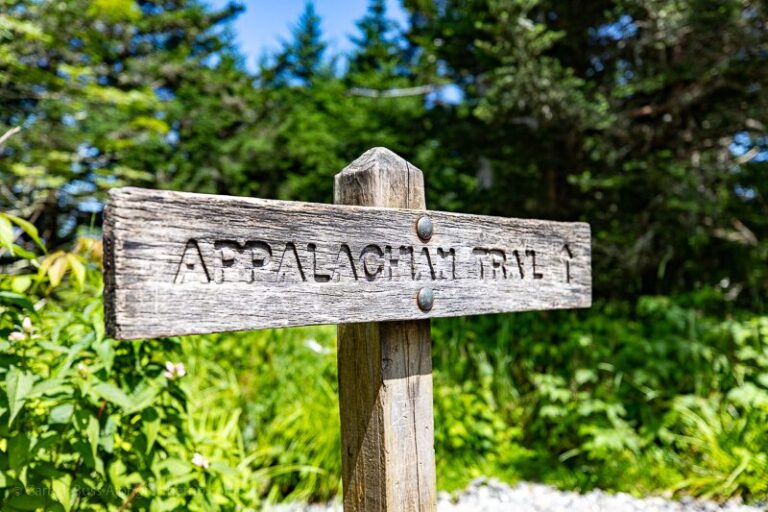
One of America’s most famous trails, the Appalachian National Scenic Trail stretches nearly 2,200 miles and runs nearly the entire length of the eastern United States from Maine to Georgia. The trail was constructed by private citizens and completed in 1937, and today is maintained by several federal and state agencies as well as volunteer groups.
Delaware Water Gap National Recreation Area
Delaware Water Gap National Recreation Area is a 70,000-acre park in northeast Pennsylvania that straddles the border with New Jersey. It’s a skinny park that protects a long strip of land on either side of the Delaware River. This includes 40 miles of the Middle Delaware National Scenic and Recreational River and about 28 miles of the Appalachian Trail. Other activities in the park include camping, hiking, scenic roadways, and the 1,000-foot-deep Delaware Water Gap. Several properties and buildings in the park are on the National Register of Historic Places.
Delaware Water Gap National Recreation Area was established in 1965 and is open year round.
Ellis Island / Statue of Liberty National Monument
Ellis Island is managed as part of the Statue of Liberty National Monument and serves to tell the stories of the immigrants who passed through here between 1892 and 1954. The Ellis Island National Museum of Immigration chronicles America’s immigration history and is open to guests visiting the island. Ferry rides to Ellis Island can be secured through an authorized concessioner and typically include a stop at Liberty Island as well. Ellis Island has been designated as a National Park, along with the Statue of Liberty since 1965.
Gateway National Recreation Area
Gateway National Recreation Area encompasses 27,000 acres in New York and New Jersey and offers green spaces, beaches, and recreation for millions of visitors each year. Cycling, boating, swimming, and fishing are all popular here, as well as visiting some of the historical sites in the area like the Sandy Hook lighthouse or Fort Wadsworth. Gateway National Recreation Area was created by Congress in 1972.
Great Egg Harbor River
Great Egg Harbor River is a pristine and ecologically significant waterway located in southern New Jersey. Paddlers love it for canoeing, kayaking, and tubing in the clear waters. The region also offers hiking and nature trails that provide opportunities for birdwatching, wildlife observation, and photography.
Great Egg Harbor River was designated as a National Scenic and Recreational River on October 27, 1992.
Lower Delaware National Wild and Scenic River
The Delaware River is the longest free-flowing river east of the Mississippi, and in 2000, parts of the lower Delaware were protected as part of the Wild and Scenic River Program. Activities include boating, hiking, fishing, sightseeing, biking, and exploring many of the historic sites along the river. There are four Visitor Centers throughout the park for more information – Delaware Canal State Park (between Easton and Bristol, PA), New Hope Visitor Center (New Hope, PA), The Delaware and Raritan Canal State Park (Princeton, NJ), Washington Crossing State Park (Titusville, NJ). Visit their webpage for more information, recreational activities, and programs.
Morristown National Historical Park
Morristown National Historical Park was designated as a national historical park on March 2, 1933 during the presidency of Herbert Hoover, and commemorates the pivotal role it played during the American Revolutionary War as the site of General George Washington’s winter encampments in 1777 and again in 1779-1780. The park includes two main areas: Jockey Hollow and the Ford Mansion (also known as Washington’s Headquarters). Morristown National Historical Park helps to tell the story of the sacrifices and challenges faced by the Continental Army during one of the harshest winters of the war.
Jockey Hollow, which once served as a winter encampment for thousands of soldiers, offers reconstructed soldier huts that provide insights into the harsh conditions faced by the Continental Army. The Ford Mansion, known as Washington’s Headquarters, was General Washington’s headquarters during the winter of 1779-1780, and it is open for tours, featuring period furnishings and exhibits related to the history of the era.
New Jersey Pinelands National Reserve
The New Jersey Pinelands National Reserve, designated in 1978 during the Carter presidency, is a vast, pristine area renowned for its distinctive ecosystem, which includes extensive pine forests, bogs, wetlands, and pristine waterways. The Pinelands Reserve was designated to protect and preserve this natural wonder, as well as to promote responsible land use and development in the region.
The reserve offers numerous hiking and nature trails and also features opportunities for canoeing and kayaking, as its many rivers and streams wind through pristine and serene landscapes.
Paterson Great Falls National Historical Park
Paterson Great Falls National Historical Park commemorates the role the Great Falls played in the early industrialization of the United States. The Great Falls, a prominent waterfall on the Passaic River, was harnessed by Alexander Hamilton and a group of early American industrialists to establish the first planned industrial city in the nation.
Visitors can explore the Great Falls, take guided tours, explore interpretive programs, and learn about the area in the visitor center with informative exhibits that showcase the industrial and cultural history of Paterson.
Thomas Edison National Historical Park
Thomas Edison National Historical Park preserves the laboratory complex and home of Thomas Edison. Edison’s innovations in the late 19th and early 20th centuries had a profound impact on the world, including the development of the phonograph, electric light bulb, and motion pictures. The phonograph and light bulb came out of his earlier lab at Menlo Park. This site in West Orange showcases the work of Edison and his team, who conducted groundbreaking experiments here and developed motion pictures, better phonographs, and storage batteries.
Visitors can witness the very spaces where Edison and his associates worked on their pioneering inventions. The laboratory buildings contain original equipment, artifacts, and exhibits that provide insights into the inventive process and the life of Thomas Edison. The park’s visitor center features informative displays and films that delve into Edison’s inventions and the impact they had on society. Take a guided tour and also explore The Glenmont Estate, Thomas Edison’s former home.
The site was first designated Edison National Historic Site on September 5, 1962, and signed into law by President John F. Kennedy. It became Thomas Edison National Historical Park in 2009.
Partners of the Park Service
NPS-affiliated sites in New Jersey
These sites aren’t run by the National Park Service, but they’re part of the NPS family through national trails and heritage areas.
Crossroads of the American Revolution National Heritage Area
The Crossroads of the American Revolution National Heritage Area, designated on October 12, 2006, encompasses the pivotal role that New Jersey played in the American Revolutionary War, serving as a crossroads for military activities, important events, and influential figures during the struggle for independence. The heritage area showcases the remarkable history of the American Revolution, from the encampments of General George Washington’s troops to the stories of everyday people who contributed to the revolutionary cause.
Visitors can explore the area’s history in several ways including historic sites, museums, and landmarks, including the Morristown National Historical Park, which features Jockey Hollow and the Ford Mansion, both associated with Washington’s winter encampment. The heritage area also includes interpretive centers and programs that offer insights into the lives of soldiers, women, and African Americans during the Revolutionary era. Click here to learn more about the activities and things to do.
Crossroads of the American Revolution National Heritage Area was signed into law under the presidency of George W. Bush.
Maurice Scenic and Recreational River
The Maurice River (pronounced “Morris”) runs for 50 miles through southern New Jersey emptying into Delaware Bay. The river and three of its tributaries were given the Wild and Scenic River designation in 1993. The area provides sanctuary to several wildlife species and is ecologically critical to the surrounding ecosystems. The river is part of the New Jersey Pinelands National Reserve.
Musconetcong National Wild and Scenic River
Designated as a National Wild and Scenic River in 2006, the Musconetcong (pronounced musk-uh-NET-kong) River flows through northwestern New Jersey and is known for its diverse ecosystems and rich biodiversity. It provides opportunities for a variety of outdoor activities including fishing, hiking, and wildlife observation. The river is particularly renowned for its trout fishing, attracting anglers seeking a serene and scenic environment.
Washington-Rochambeau National Historic Trail
The Washington-Rochambeau National Historic Trail denotes one of the most successful troop movements in the Revolutionary War – one that led to victory over the British in Yorktown, Virginia, and eventually led to America’s independence. General Rochambeau of France combined his forces with General Washington’s, moving 680 miles over land and water to secure victory for the allies.
The Washington-Rochambeau National Historic Trail was formally recognized by Congress and signed into law by President Obama in 2009. The trail spans Massachusetts, Rhode Island, Connecticut, New York, New Jersey, Pennsylvania, Delaware, Maryland, Virginia, and what is now Washington D.C. It celebrates America’s alliance with the French during our fight for independence and also highlights the historical and military significance that proved to be a pivotal moment in American history.
Good to know
New Jersey national parks questions
No. New Jersey doesn’t have a national park, but it does have 10 National Park Service sites, including Appalachian National Scenic Trail, Delaware Water Gap National Recreation Area, and Ellis Island / Statue of Liberty National Monument.
There are 10 NPS sites in New Jersey: three national historical parks, two national recreation areas, a national scenic trail, a national monument, a nps site, a wild and scenic river, and a national reserve. Four more NPS-affiliated sites, like Crossroads of the American Revolution National Heritage Area, round out the list.
So far we’ve visited Appalachian National Scenic Trail.
Keep exploring
National parks in nearby states
There’s more to explore in these nearby states.