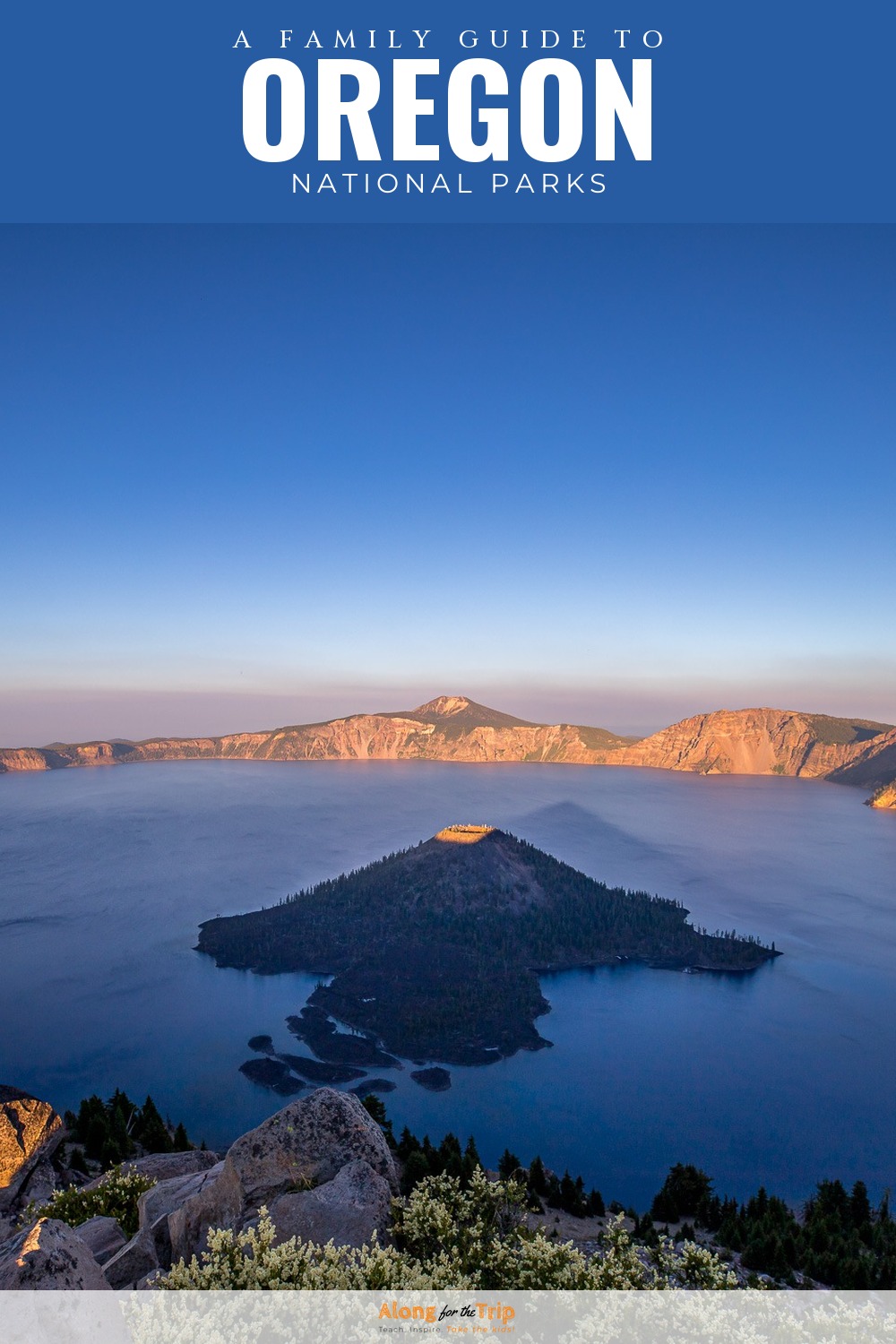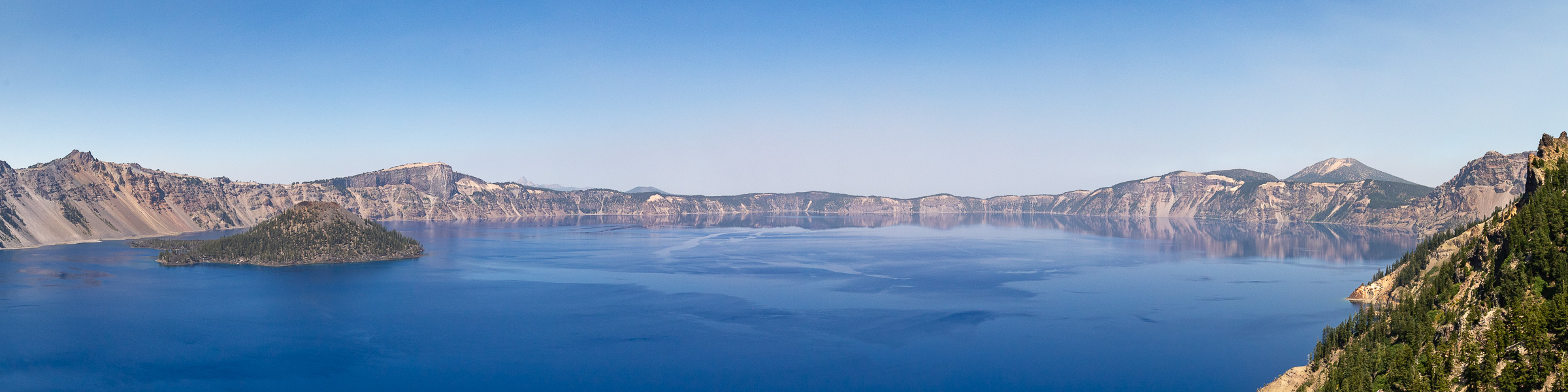
Crater Lake National Park, Oregon. All photography is ours.
Home/National parks/Oregon
Oregon National Parks
Spectacular Ice Age geology converges with Lewis and Clark’s westward exploration in Oregon’s National Parks. Come #FindYourPark in Oregon.
National parks guide · Updated October 2026
Every NPS site in Oregon
6
National Park Service sites in Oregon
There are six National Park Service sites in Oregon: two national monuments, two national historical parks, a national park, and a national historic site. Tap any of them to jump to its details.
At a glance
We’ve been · 2 of 6
Affiliated sites · 6
1national park
We’ve beenNot yet
More National Park Service sites 5
Crater Lake National Park
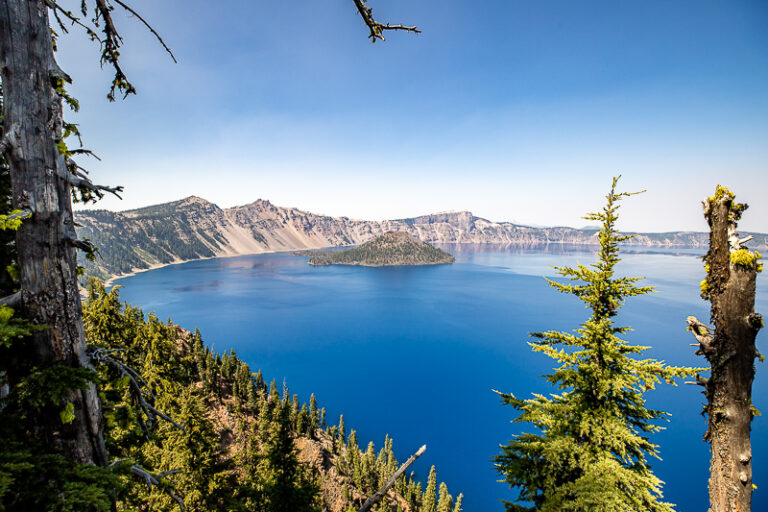
Formed 7,700 years ago from a collapsed volcano, Crater Lake has been mesmerizing visitors for a very long time. It is the deepest lake in the United States. It is also the ninth-deepest in the world, with some of the purest water found anywhere. Over 700,000 people visit annually to enjoy its beauty year round.
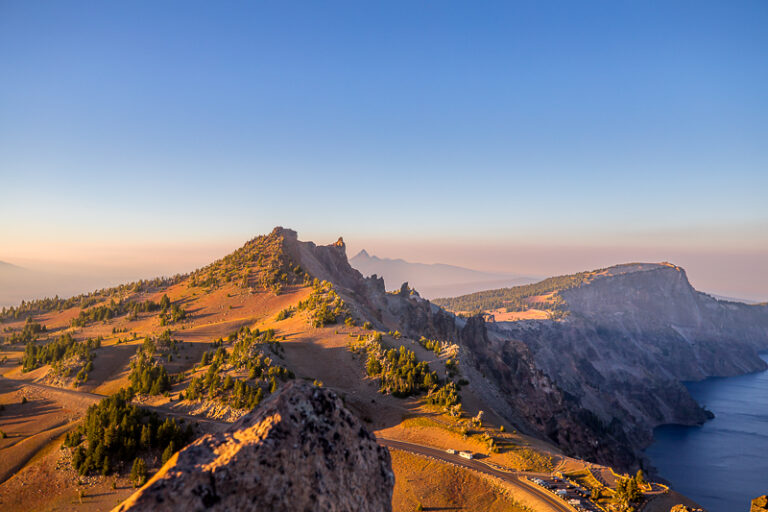
The 33-mile scenic drive around the rim is one of the most popular activities here, but visitors can also enjoy hiking, biking, backpacking, fishing, or trolley tours. Boat tours and the trail down to the lake are closed from 2026 through 2028 for rehabilitation. Stargazing is also a popular activity.
Crater Lake National Park has two Visitor Centers, with Steel Visitor Center open year-round and the Rim Visitor Center open in summer. The Crater Lake Lodge has 71 rooms overlooking the lake for easy access to the park and incredible views. Crater Lake National Park was founded in 1902.
Fort Vancouver National Historic Site
Fort Vancouver was the West’s population center up until the Gold Rush hit San Francisco in the 1840s. The Fort was home to fur traders, trappers, craftsmen, farmers, and many more. Inside its walls were the homes, offices, and headquarters of the Hudson’s Bay Company’s Columbia Department, established here in 1825. During the later part of the century, the Fort served the U.S. Army, as well as the Buffalo Soldiers. Aviation began here in 1905, and the field was named Pearson Field in 1925. It is one of America’s oldest continuously operating airfields.
Today the Fort is open to visitors for hiking and touring, along with guided tour options of the reconstructed Fort and airfield museum. The grounds are open dawn until dusk. Check here for Visitor Center Hours.
John Day Fossil Beds National Monument
John Day Fossil Beds National Monument protects 40 million years of evolutionary science and fossil record in north central Oregon. There are actually three units to this National Park – the Clarno Unit where visitors can see fossils still out in “the wild”, the Painted Hills Unit, and the Sheep Rock Unit, which is home to the Thomas Condon Paleontology Center and the Cant Ranch Museum.
Visitors can enjoy a variety of activities here including hiking, searching for fossils, participating in Ranger-guided activities, and exploring the exhibits and fossils in the Paleontology Center. Sheep Rock is where you’ll find the Visitor Center, which generally closes at 5:00 p.m. each day. All units are open from sunup to sundown. John Day Fossil Beds National Monument is about a 4-hour drive from both Portland, OR, and Boise, ID.
Lewis and Clark National Historical Park
Follow in the footsteps of Meriwether Lewis and William Clark as you explore the Columbia River estuary. The park consists of several units around the estuary in Oregon and Washington. Stop in at Fort Clatsop where you’ll find the Visitor Center and can pick up some information about the other sites.
This was also the winter encampment for the Corps of Discovery from December 1805 to March 1806, and it includes a replica of the Fort. Other activities around the park include hiking, an interpretive center, Ranger-led programs, paddling, and Native American history.
Nez Perce National Historical Park
The Nez Perce (pronounced nez PURSE) National Historical Park highlights the Native Nez Perce peoples of the inland Pacific Northwest. During their 4,900-mile journey, Lewis and Clark’s expedition spent more time with the Nez Perce than any other group. The Park consists of 38 sites, which together tell the story of these Native Americans.
The main Visitor Center and Park Headquarters is located in Spalding, Idaho. Other popular sites and activities include finding petroglyphs in Buffalo Eddy in Washington, visiting Canoe Camp in Orofino, ID to see how canoes were carved out, and several historic battlefields. Nez Perce National Historical Park includes sites in four states – Idaho, Montana, Oregon, and Washington.
Oregon Caves National Monument and Preserve
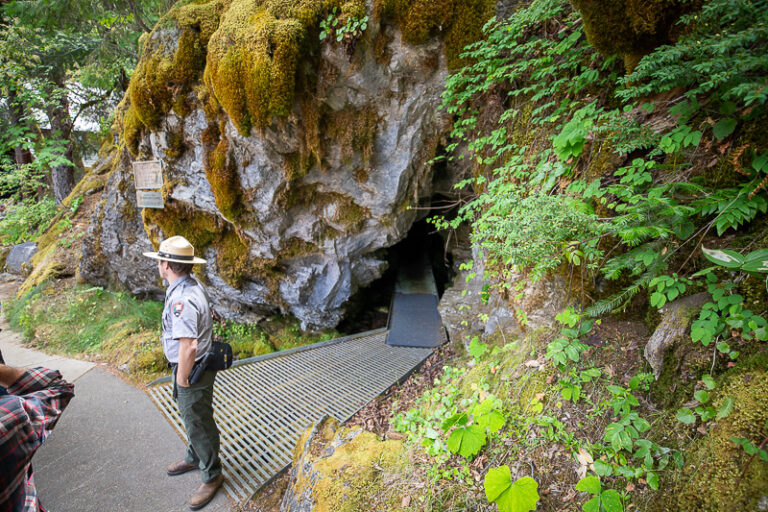
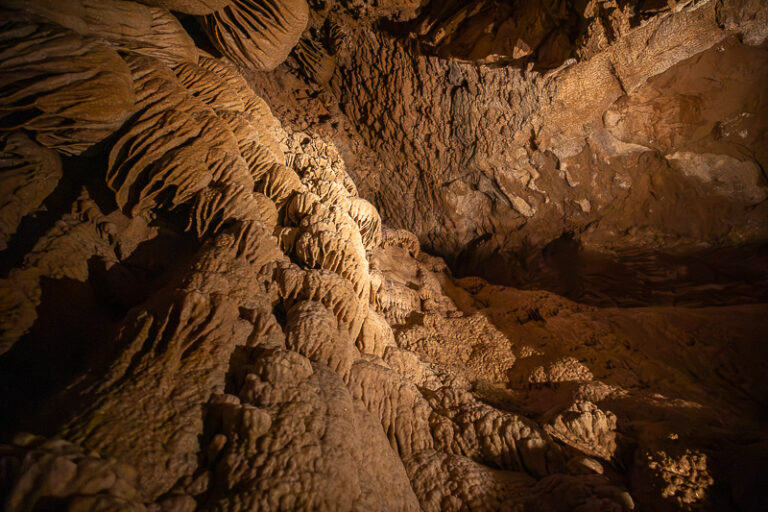
Oregon Caves National Monument and Preserve protects the cave/karst systems found under the Siskiyou Mountains in southwestern Oregon. Guided tours of the caves are available, and you’ll have to book one to visit – there are no self-guided options.
Other things to do at the site are hiking the old-growth forests above the caves or camping. The historic Oregon Caves Chateau is one of the national parks’ “Great Lodges” and a National Historic Landmark. It is closed for rehabilitation, so there is no lodging inside the monument. Oregon Caves National Monument and Preserve was officially expanded in 2014 to create the NPS unit that exists today.
Partners of the Park Service
NPS-affiliated sites in Oregon
These sites aren’t run by the National Park Service, but they’re part of the NPS family through national trails and heritage areas.
California National Historic Trail
The California National Historic Trail is an incredible 2,000 miles long and recounts the journey of over 250,000 people who made their way to California during the 1840s and ’50s searching for gold, prosperity, and a better life. It was the greatest mass migration in American history. The trail runs roughly from Independence, MO to Sacramento, CA, and spans ten states – California, Colorado, Idaho, Kansas, Missouri, Nebraska, Nevada, Oregon, Utah, and Wyoming.
Passport sites and interpretive centers exist along the route in several states. A modern-day auto route is also available for those wanting to trace the trail by car.
Ice Age Floods National Geologic Trail
During the last Ice Age between 12,000 and 17,000 years ago, scientists believe up to forty torrential floods moved from Montana down through Idaho, Washington, and Oregon. Ice Age Floods National Geologic Trail marks the various sites and remnants of these great Ice Age floods. Dry Falls in Washington is particularly impressive. These former falls are now just a 400-foot cliff that’s 3.5 miles wide – four times larger than today’s Niagara Falls. For a list of state parks and places to visit along the Trail, click here.
Lewis & Clark National Historic Trail
The Lewis & Clark National Historic Trail marks the historic journey by Meriwether Lewis and William Clark along 4,900 miles of wilderness from Pennsylvania all the way to the mouth of the Columbia River in Oregon. The Trail connects 16 states – Pennsylvania, Ohio, West Virginia, Kentucky, Indiana, Illinois, Missouri, Kansas, Nebraska, Iowa, South Dakota, North Dakota, Montana, Idaho, Washington, and Oregon – and includes museums, landmarks, exhibits, and Visitor Centers along the route. For a complete list of markers and things to see and do, click here.
Oregon National Historic Trail
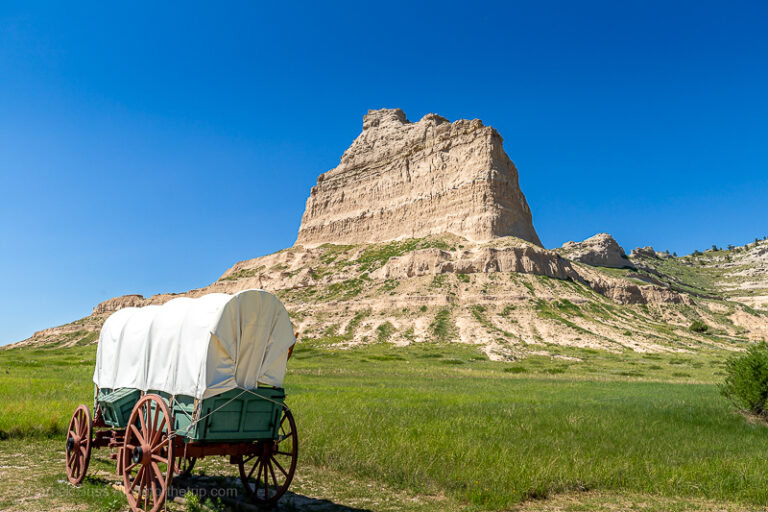
Beginning in Independence, Missouri and ending some 2,170 miles later in Oregon City, Oregon and passing through seven states along the way, the Oregon Trail was the passage west for many settlers looking for a new life. The Oregon National Historic Trail marks the stories, landmarks, and landscapes of this incredible 4-month long journey made during the mid-1800s.
Today, there are several ways to experience the Trail, with the most popular being by car. Maps citing various markers in each state are available to help you plan your journey. Of course, you don’t have to travel the entire 2,170 miles to enjoy the Trail, but for the purists who like to collect NPS Passport Stamps, you will find them at various Visitor Centers along the route here:
– Hagerman Fossil Beds National Monument Visitor Center – Idaho– Craters of the Moon National Monument and Preserve – Idaho– Three Island Crossing State Park – Idaho- Shawnee Methodist Indian Mission State Historic Site – Kansas- Hollenberg Pony Express Station State Historical Site – Kansas- Marysville Chamber of Commerce & Convention & Visitors Bureau – Kansas- Harry S Truman National Historic Site – Missouri– Trailside Center – Missouri- Alexander Majors House Museum – Missouri- National Frontier Trails Museum – Missouri- Scotts Bluff National Monument – Nebraska– Homestead National Historical Park – Nebraska– Flagstaff Hill/National Historic Oregon Trail Interpretive Center – Oregon- McLoughlin House – Oregon- Fort Vancouver National Historic Site – Washington– National Historic Trails Interpretive Center – Wyoming- Martin’s Cove – Wyoming- Fort Bridger State Historic Park – Wyoming- Fossil Butte National Monument – Wyoming
Pacific Crest National Scenic Trail
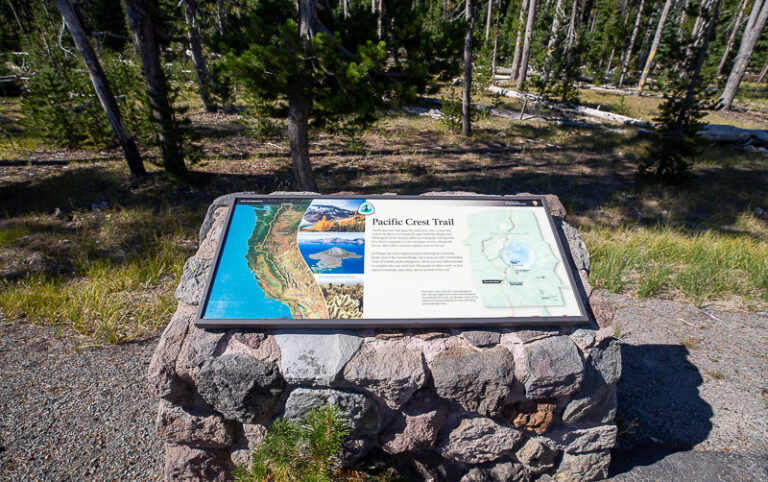
The Pacific Crest National Scenic Trail is one of America’s great hiking trails through some of the most amazing scenery and landscapes in the United States. Winding up the Pacific Coast from the U.S./Mexico border, the trail runs 2,650 miles through California, Oregon, and Washington, until reaching the Canadian border.
The Pacific Crest National Scenic Trail was one of the first two national scenic trails, established by Congress as part of the 1968 National Trails System Act. The Trail passes through several National Parks, including Sequoia-Kings Canyon National Parks, Devils Postpile National Monument, Yosemite National Park, Lassen Volcanic National Park, Crater Lake National Park, Mount Rainier National Park, and North Cascades National Park, along with many other state parks and National Forests.
Click here for more information on the Pacific Crest National Scenic Trail.
River Styx Wild and Scenic River
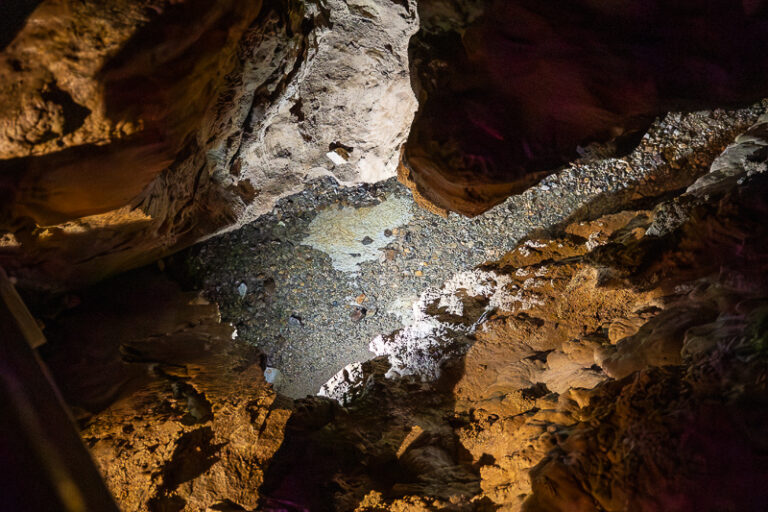
The River Styx Wild and Scenic River flows through Oregon Caves National Monument and was designated in order to protect the fragile ecosystems found there. It also holds two unique distinctions – it’s very short at 0.4 miles and it’s underground. In fact, it’s the only river in the Wild and Scenic system that flows entirely underground.
Click here for more information on America’s Wild and Scenic Rivers.
Good to know
Oregon national parks questions
Oregon has one national park: Crater Lake National Park. It also has five other National Park Service sites.
There are six NPS sites in Oregon: two national monuments, two national historical parks, a national park, and a national historic site. Six more NPS-affiliated sites, like California National Historic Trail, round out the list.
So far we’ve visited two of the six NPS sites in Oregon, including Crater Lake National Park and Oregon Caves National Monument and Preserve. We’ve also visited three of the affiliated sites.
Keep exploring
National parks in nearby states
There’s more to explore in these nearby states.