Olympic National Park. Washington. All photography is ours.
Home/National parks/Washington
Washington National Parks
Stunning landscapes, unique ecosystems, and some of America’s first National Parks await. Come #FindYourPark in Washington.
National parks guide · Updated October 2026
Every NPS site in Washington
15
National Park Service sites in Washington
There are 15 National Park Service sites in Washington: five national historical parks, three national historic sites, three national recreation areas, three national parks, and a national reserve. Tap any of them to jump to its details.
At a glance
We’ve been · 1 of 15
Affiliated sites · 7
3national parks
We’ve beenNot yet
More National Park Service sites 12
Ebey’s Landing National Historical Reserve
Ebey’s Landing National Historical Reserve, established in 1978, is located on Whidbey Island, Washington. The park is renowned for its well-preserved historic buildings, farmlands, and stunning coastal landscapes. Nestled between the town of Coupeville and the waters of Puget Sound, Ebey’s Landing encompasses over 17,572 acres for scenic hikes along the bluff trails and amazing views of the Puget Sound and the Olympic Mountains.
Fort Vancouver National Historic Site
Fort Vancouver was the West’s population center up until the Gold Rush hit San Francisco in the 1840s. The Fort was home to fur traders, trappers, craftsmen, farmers, and many more. Inside its walls were the homes, offices, and headquarters of the Hudson’s Bay Company established in 1825. During the later part of the century, the Fort served the U.S. Army, as well as the Buffalo Soldiers. In 1925, Pearson Field was established, and it is one of America’s oldest continuously operating airfields.
Today the Fort is open to visitors for hiking and touring, along with guided tour options of the reconstructed Fort and airfield museum. The grounds are open dawn until dusk. Check here for Visitor Center Hours.
Klondike Gold Rush – Seattle Unit National Historical Park
Established in 1976, the Klondike Gold Rush – Seattle Unit National Historical Park helps to commemorate the role Seattle played during the Klondike Gold Rush of the late 19th century. The park serves as a reminder of the frenzied days when prospectors flocked to the region in pursuit of gold, transforming Seattle into a bustling hub of activity as the gateway to the Klondike.
The visitor center is housed in the historic Cadillac Hotel where interactive exhibits and artifacts help tell the stories of prospectors seeking their fortunes in the goldfields. The park also features walking tours that guide visitors through the preserved historic district of Pioneer Square, showcasing buildings and streets that echo the city’s boomtown past.
Lake Chelan National Recreation Area
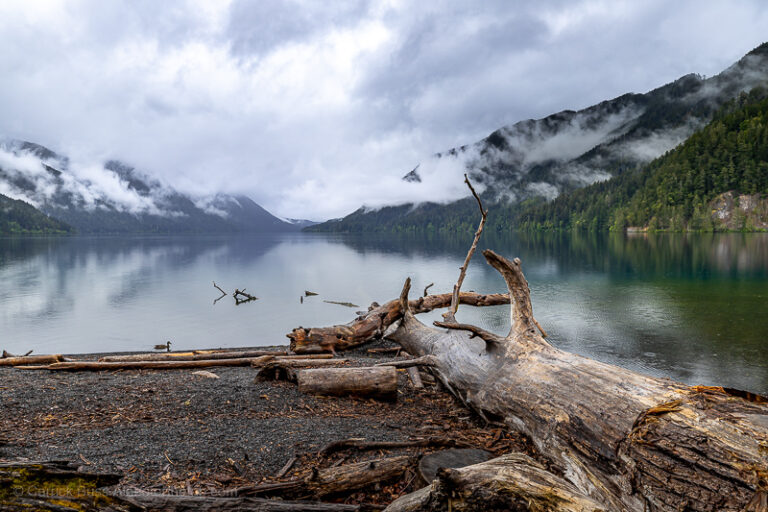
Lake Chelan (pronounced shuh-LAN) National Recreation Area covers approximately 61,950 acres and includes the head of Lake Chelan around Stehekin and the surrounding North Cascades. Visitors to Lake Chelan National Recreation Area can partake in a variety of outdoor activities like boating, fishing, and water-based recreation. The surrounding mountains provide a scenic backdrop for hiking and backpacking adventures, with trails leading to panoramic viewpoints and alpine meadows.
Lake Chelan NRA is managed as part of the North Cascades National Park Complex which includes North Cascades National Park and Ross Lake National Recreation Area.
Lake Roosevelt National Recreation Area
Established in 1946, Lake Roosevelt National Recreation Area encompasses about 100,000 acres in northeastern Washington, making it a haven for outdoor enthusiasts and history buffs alike. Created with the construction of the Grand Coulee Dam, the reservoir formed by the dam is now Lake Roosevelt, named after President Franklin D. Roosevelt.
Boating, fishing, and swimming are popular activities at the 150-mile-long lake, and hikers can explore several miles of trails. The park is also home to significant archaeological sites, showcasing the history and culture of the tribes who have lived here for thousands of years and still do, including the Colville and Spokane Tribes.
Similarly to the Hoover Dam, the Grand Coulee Dam is managed by the US Bureau of Reclamation and tours are available.
Lewis and Clark National Historical Park
Follow in the footsteps of Meriwether Lewis and William Clark as you explore the Columbia River estuary. The park consists of several units around the estuary in Oregon and Washington. Stop in at Fort Clatsop where you’ll find the Visitor Center and can pick up some information about the other sites.
This was also the winter encampment for the Corps of Discovery from December 1805 to March 1806, and it includes a replica of the Fort. Other activities around the park include hiking, an interpretive center, Ranger-led programs, paddling, and Native American history.
Manhattan Project National Historical Park
Manhattan Project National Historical Park consists of three sites – Los Alamos, NM, Hanford, WA, and Oak Ridge, TN – that interpret the history of America’s nuclear age, the creation of the atomic bomb, and the ending of WWII. The Los Alamos site encompasses three areas, including the Gun Site Facilities associated with the design of the “Little Boy” bomb. The Oak Ridge site was the administrative and military headquarters for the Manhattan Project. A bus tour of the facility is included with admission to the American Museum of Science and Energy. The Hanford site was primarily used to produce plutonium, and visitors can tour the B-Reactor, which produced material for the plutonium bomb.
Minidoka National Historic Site
After the Japanese attack on Pearl Harbor, President Franklin D. Roosevelt signed an Executive Order relocating 120,000 Japanese-Americans into war relocation centers in Arizona, Arkansas, California, Colorado, Idaho, Utah, and Wyoming. Minidoka was one of those camps, and Minidoka National Historic Site interprets what life was like during its occupation. Begin your visit at the Visitor Center where you can pick up a map, get your NPS passport stamped, view exhibits, and watch a short park film. Then, set out on the 1.6-mile self-guided trail, locating the historic structures and learning about life at Minidoka.
If you have the time, you might want to visit other nearby NPS sites in the area like Craters of the Moon National Monument & Preserve, City of Rocks National Reserve, and particularly Hagerman Fossil Beds National Monument, which is only 40 miles away. The park is open sunrise to sunset every day, and there is no fee to enter the park.
Mount Rainier National Park
Mount Rainier National Park encompasses over 236,000 acres of pristine wilderness. Home to the towering Mount Rainier, an active stratovolcano and the highest peak in the Cascade Range, the park offers a diverse range of ecosystems, from lush old-growth forests to alpine meadows.
Visitors can enjoy hiking trails that wind through the park, providing access to stunning viewpoints, waterfalls, and wildflower-filled meadows during the summer months. The iconic Wonderland Trail encircles the mountain, offering a challenging trek for backpackers. Winter transforms the park making it ideal for snowshoeing, cross-country skiing, and awe-inspiring views of the icy landscapes.
Mount Rainier National Park was designated on March 2, 1899, by President William McKinley. It is America’s fifth National Park and sees over 2.5 million visitors annually.
Nez Perce National Historical Park
The Nez Perce (pronounced nez PURSE) National Historical Park highlights the Native Nez Perce peoples of the inland Pacific Northwest. Lewis and Clark’s expedition spent weeks with the Nez Perce in 1805 and 1806. The Park consists of 38 sites, which together tell the story of these Native Americans.
The main Visitor Center and Park Headquarters are located in Spalding, Idaho. Other popular sites and activities include finding petroglyphs in Buffalo Eddy in Washington, visiting Canoe Camp in Orofino, ID to see how canoes were carved out, and several historic battlefields. Nez Perce National Historical Park includes sites in four states – Idaho, Montana, Oregon, and Washington.
North Cascades National Park
North Cascades National Park is a stunning wilderness area that covers over 504,000 acres. The Park is renowned for its rugged mountain landscapes, pristine alpine lakes, and diverse ecosystems.
North Cascades is a paradise for backpackers, with opportunities for backcountry camping in pristine wilderness areas. The North Cascades Highway provides a scenic drive with viewpoints of iconic landmarks like Diablo Lake and Ross Lake. The park is also home to diverse wildlife, including bears, eagles, and mountain goats.
North Cascades National Park was established on October 2, 1968, by President Lyndon B. Johnson.
Olympic National Park
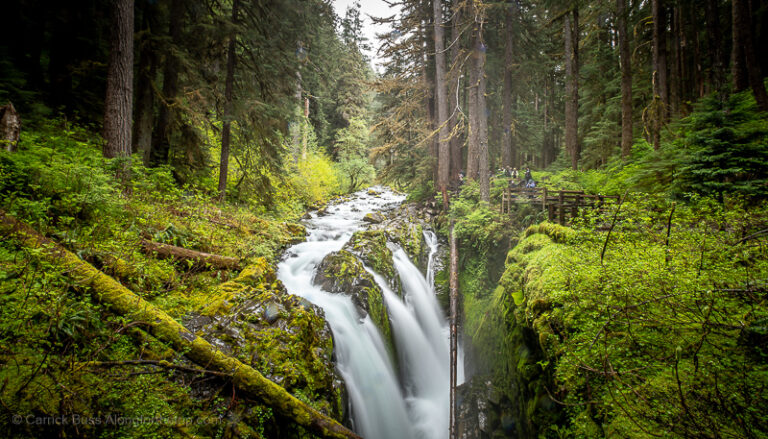
Established on June 29, 1938, by President Franklin D. Roosevelt, Olympic National Park is a diverse destination on the Olympic Peninsula in Washington. Olympic is large – over 922,651 acres – and is known for its unique ecosystems, ranging from lush temperate rainforests and alpine peaks to pristine coastal landscapes. The park boasts a vast network of trails that lead through dense forests along with coastal areas with rugged sea stacks and tide pools great for beachcombing and wildlife watching.
Hurricane Ridge offers panoramic views of the Olympic Mountains, while the Hoh Rainforest immerses visitors in a mystical environment filled with ancient trees and moss-covered landscapes. Olympic National Park is also a designated International Biosphere Reserve and World Heritage Site, recognizing its global ecological importance.
Ross Lake National Recreation Area
Ross Lake National Recreation Area is part of the larger North Cascades National Park Complex. At the center of the NRA is the reservoir formed by the Ross Dam, which provides stunning views of snow-capped peaks and pristine wilderness. The dam was built by Seattle City Light between 1937 and 1953 to provide hydroelectric power, and it created a recreational haven in the North Cascades.
Boating and fishing on the lake are popular as well as hiking opportunities through lush forests and alpine meadows. Ross Lake National Recreation Area was established in 1968 and includes over 117,575 acres. As part of the broader North Cascades National Park Service Complex, Ross Lake is managed together with North Cascades National Park and Lake Chelan National Recreation Area.
San Juan Island National Historical Park
San Juan Island National Historical Park preserves the rich history of the San Juan Islands. The park spans over 2,000 acres and is comprised of several units, with a focus on commemorating the peaceful resolution of the long-standing boundary dispute between the United States and Great Britain in the mid-19th century.
Visitors can explore several key sites including English Camp and American Camp, hike several scenic trails, and take in the coastal landscapes.
Whitman Mission National Historic Site
Whitman Mission National Historic Site is a poignant memorial to the tragic events surrounding the Whitman Massacre of 1847. The site spans approximately 139 acres and is located near Walla Walla, Washington. The memorial is named for Dr. Marcus Whitman and his wife Narcissa, early pioneers who established a mission to serve the Cayuse people and facilitate westward migration.
The park features interpretive exhibits, outlined building foundations, and a memorial obelisk, offering a glimpse into the challenges faced by the Whitmans and the interactions between settlers and Native American communities. Congress authorized the site as Whitman National Monument in 1936, and it was renamed Whitman Mission National Historic Site in 1963.
Partners of the Park Service
NPS-affiliated sites in Washington
These sites aren’t run by the National Park Service, but they’re part of the NPS family through national trails and heritage areas.
Ice Age Floods National Geologic Trail
During the last Ice Age between 15,000 and 18,000 years ago, scientists believe up to forty torrential floods moved from Montana down through Idaho, Washington, and Oregon. Ice Age Floods National Geologic Trail marks the various sites and remnants of these great Ice Age floods. Dry Falls in Washington is particularly impressive. These former falls are now just a 400-foot cliff that’s 3.5 miles wide – four times larger than today’s Niagara Falls. For a list of state parks and places to visit along the Trail, click here.
Lewis & Clark National Historic Trail
The Lewis & Clark National Historic Trail marks the historic journey by Meriwether Lewis and William Clark along 4,900 miles of wilderness from Pennsylvania all the way to the mouth of the Columbia River in Oregon. The Trail connects 16 states – Pennsylvania, Ohio, West Virginia, Kentucky, Indiana, Illinois, Missouri, Kansas, Nebraska, Iowa, South Dakota, North Dakota, Montana, Idaho, Washington, and Oregon – and includes museums, landmarks, exhibits, and Visitor Centers along the route. For a complete list of markers and things to see and do, click here.
Maritime Washington National Heritage Area
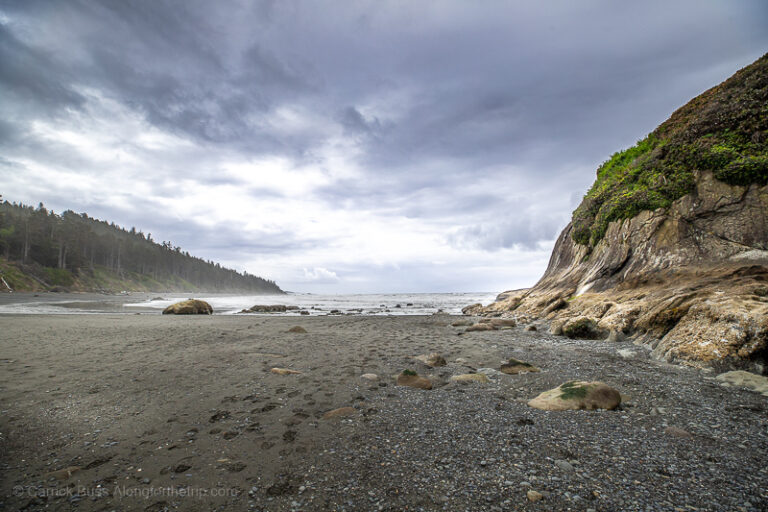
The Maritime Washington National Heritage Area is a maritime-focused region in the Pacific Northwest that spans across various coastal communities, extending from Grays Harbor to the Canadian border. Established in 2019, it encompasses over 3,000 miles of shoreline, highlighting the maritime history and cultural significance of the region.
The park can be divided into four main regions – the Olympic Peninsula, Puget Sound, the Northern Coast, and Salish Sea Islands. NPS sites included within the NHA are Ebey’s Landing National Historical Reserve, Klondike Gold Rush – Seattle Unit National Historical Park, the Bainbridge Island Japanese American Exclusion Memorial of Minidoka National Historic Site, Olympic National Park, San Juan Island National Historical Park, and Wing Luke Museum.
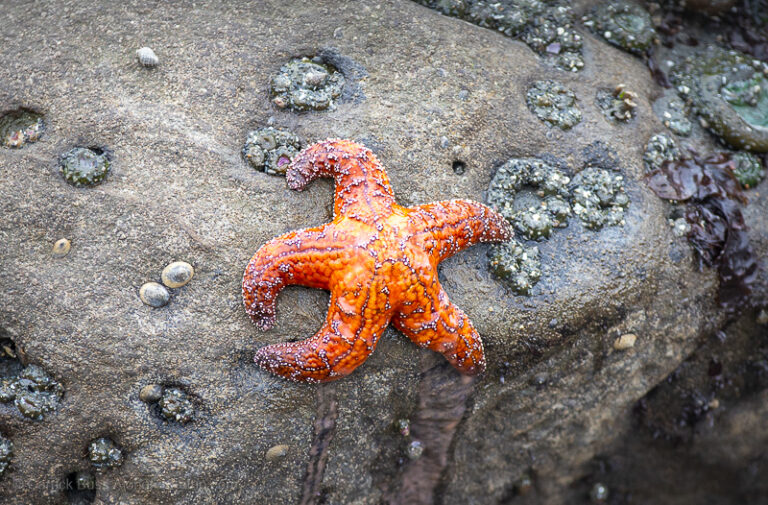
Mountains to Sound Greenway National Heritage Area
Designated a National Heritage Area in 2019, the Mountains to Sound Greenway National Heritage Area spans over 1.5 million acres, connecting the urban areas of Seattle with the wilderness of the Cascade Mountains. This expansive corridor along Interstate 90 is dedicated to preserving the unique blend of natural beauty, recreational opportunities, and historical significance found within its boundaries.
Visitors can enjoy hiking, camping, and wildlife watching as well as many historical sites. Klondike Gold Rush – Seattle Unit National Historical Park in Seattle is part of the NHA.
Oregon National Historic Trail
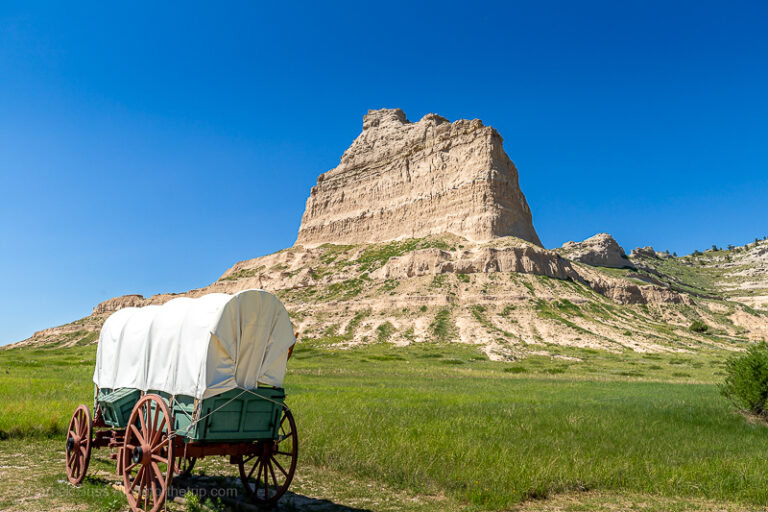
Beginning in Independence, Missouri, and ending some 2,170 miles later in Oregon City, Oregon, and passing through six states along the way, the Oregon Trail was the passage west for many settlers looking for a new life. The Oregon National Historic Trail marks the stories, landmarks, and landscapes of this incredible four-month-long journey made during the mid-1800s.
Today, there are several ways to experience the trail, with the most popular being by car. Maps citing various markers in each state are available to help you plan your journey. Of course, you don’t have to travel the entire route to enjoy the trail, but for the purists who like to collect NPS Passport Stamps, you will find them at various Visitor Centers along the route here:
– Hagerman Fossil Beds National Monument Visitor Center – Idaho- Craters of the Moon National Monument & Preserve – Idaho- Three Island Crossing State Park – Idaho- Shawnee Indian Mission State Historic Site – Kansas- Hollenberg Pony Express Station State Historic Site – Kansas- Marysville Chamber of Commerce & Convention & Visitors Bureau – Kansas- Harry S. Truman National Historic Site – Missouri– Trailside Center – Missouri- Alexander Majors House Museum – Missouri- National Frontier Trails Museum – Missouri- Scotts Bluff National Monument – Nebraska– Homestead National Monument of America – Nebraska– Flagstaff Hill/National Historic Oregon Trail Interpretive Center – Oregon- McLoughlin House – Oregon- Fort Vancouver National Historic Site – Washington- National Historic Trails Interpretive Center – Wyoming- Martin’s Cove – Wyoming- Fort Bridger State Historic Park – Wyoming – Fossil Butte National Monument – Wyoming
Pacific Crest National Scenic Trail
The Pacific Crest National Scenic Trail is one of America’s great hiking trails through some of the most amazing scenery and landscapes in the United States. Winding up the Pacific Coast from the U.S./Mexico border, the trail runs 2,650 miles through California, Oregon, and Washington, until reaching the Canadian border.
The Pacific Crest National Scenic Trail was one of the first two national scenic trails established by Congress as part of the 1968 National Trails System Act. The Trail passes through several National Parks, including Sequoia & Kings Canyon National Parks, Devils Postpile National Monument, Yosemite National Park, Lassen Volcanic National Park, Crater Lake National Park, Mount Rainier National Park, and North Cascades National Park, along with many other state parks and National Forests.
Click here for more information on the Pacific Crest National Scenic Trail.
Wing Luke Museum
The Wing Luke Museum of the Asian Pacific American Experience is named after Wing Luke, the first Asian American elected to public office in the Pacific Northwest. The museum is situated within the historic East Kong Yick Building in Seattle’s Chinatown-International District and focuses on issues such as immigration, civil rights, and community development.
Good to know
Washington national parks questions
Washington has three national parks: Mount Rainier National Park, North Cascades National Park, and Olympic National Park. It also has 12 other National Park Service sites.
There are 15 NPS sites in Washington: five national historical parks, three national historic sites, three national recreation areas, three national parks, and a national reserve. Seven more NPS-affiliated sites, like Ice Age Floods National Geologic Trail, round out the list.
So far we’ve visited Olympic National Park, Oregon National Historic Trail, and Pacific Crest National Scenic Trail.
Keep exploring
National parks in nearby states
There’s more to explore in these nearby states.